How to Check Car Fluids: Step-by-Step Guide
We encounter plenty of cars in our auto repair shop with totally avoidable damage to the engine. Most of the time, the reason behind the problem lies in the neglect of regular fluid maintenance. There are several different fluids that are needed to maintain the safe working condition of an engine and protect it from overheating, and learning how to check car fluids can help prevent these issues.
A couple of minutes spent on checking these fluids regularly will save you from having to spend thousands of dollars on repairing your engine. Some people tend to be afraid of doing things related to their car engines, but it is not as difficult as one might think. No special tools or skills are required to perform a simple check-up procedure.
To help you with this, we at Arrowhead Imports have prepared this detailed guide on how to check fluids in car at home. Knowing how to control the levels of these liquids, you will be able to detect any small leaks in time and preserve your engine's good condition for the years ahead!
The Main Car Fluids That Require Regular Monitoring
All the processes taking place in the car's engine involve lots of heat and friction. In order to deal with this, automotive engineers use various fluids in specific systems. We suggest you acquaint yourself with the following five car fluids to check.
1. Engine Oil
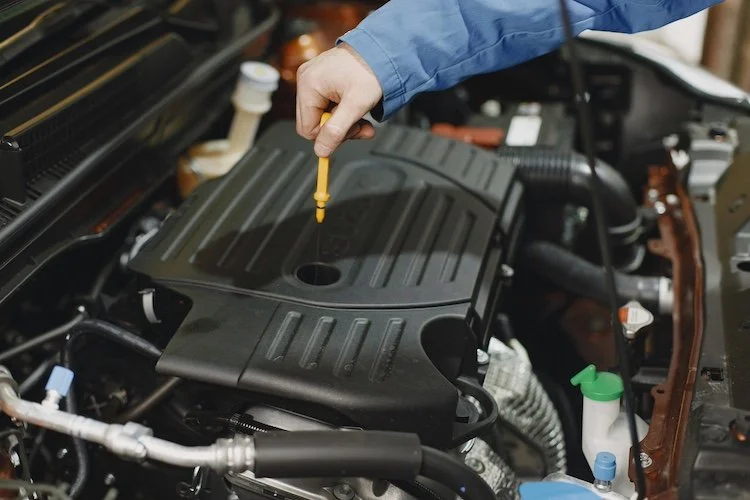
Oil serves as the blood of your car. It provides the lubrication of the moving parts of the engine, preventing overheating caused by excessive friction. To check the oil level, you need to find the dipstick under the hood, withdraw it, and wipe it dry. Then, put it back completely and take it out again to see whether the level of oil matches the maximum and minimum indicator lines.
You need to pay attention to the color of the liquid too. It should be amber and clear if it is new, and brownish if it is old. If the oil level is below the minimum, you will need to add some to match the recommended amount from your owner's manual.
2. Engine Coolant and Antifreeze
Engine coolant is needed to regulate the temperature of the engine. It prevents the engine from overheating in summer and freezing in winter. Usually, the coolant reservoir is situated next to the radiator. It is made of transparent plastic and marked with the lines indicating the minimum and maximum level of the fluid.
Therefore, you just need to look at the level of the liquid in the container during a car fluid check. Do not attempt to open the radiator cap if the engine is still hot, since it is under pressure and may burn you. If your temperature gauge on the dashboard rises while driving, it means that there is a leak in the coolant system requiring immediate attention from our mechanics.
3. Hydraulic Brake Fluid
The braking system works with the help of brake fluid. It allows transferring the force from the pedal to the brake pads. You will be able to find the brake fluid reservoir in the back part of the engine bay, usually right in front of the steering wheel. As always, there are minimum and maximum indicators in the plastic container. The brake fluid should be clear and colorless or light yellow. If it becomes dark brown or the level of the fluid is below the minimum, you need to contact us immediately to have your braking system serviced.
4. Power Steering Fluid
This fluid makes the steering wheel easy to manage by making the process of turning smooth and effortless. When you hear a whining sound while navigating a tight corner or feel that the steering wheel requires more effort to turn, your power steering fluid may be running low.
Depending on the model of your car, you may need to check the fluid level with the help of a small dipstick located on the reservoir cap or with the help of the lines in a transparent plastic reservoir. This applies when checking power steering fluid in a Mercedes-Benz Sprinter, for example. Make sure you use the right kind of fluid for your particular model of the vehicle. Otherwise, you risk damaging the steering pump.
5. Windshield Wiper Fluid
This fluid allows you to have perfect visibility during the rainy days, snowy weather, or dust storms. You will easily be able to identify the windshield wiper fluid reservoir due to its bright cap with the picture of a windshield wiper on it. As this fluid does not affect the operation of your engine, you can pour it right up to the edge of the filler neck. We recommend you using the bug-removing fluid in summer and freeze-resistant in winter.
Simple Guide on How to Check Your Fluids at Home
But how can you do all these things safely? Firstly, you need to park your car on a leveled surface when checking fluids in car. Otherwise, the liquids will be in the slant position, and you won't be able to get accurate readings.
Then, you need to shut down the engine and wait for about fifteen minutes before checking. This will help you avoid any accidental burns while checking hot engine components or opening the radiator cap.
When the engine cools down, raise the hood and hold it securely in this position. Take a rag or a roll of paper towels in your hands to wipe the dipsticks and the reservoir caps before you open them. Thus, you will avoid letting any dirt fall into the sensitive systems. Finally, proceed to the checking systematically to remember all the details.
FAQs
How Often Do I Need To Check My Car Fluids?
It is best to check the fluid levels at least once per month. You can also check them quickly before going on a long trip to make sure everything is alright.
Is It Possible To Mix Different Types Of Engine Oil Or Coolant?
It is never advisable to mix different colors or brands of the engine coolant because of the dangerous chemical reaction that occurs. While you can mix synthetic and conventional engine oil in case of a real emergency, we still recommend you following your owner's manual and using only the recommended fluid.
What Should I Do If My Fluid Levels Are Constantly Low?
Fluids are contained in a closed sealed system, thus, they shouldn't be depleted within a short period of time. In case you frequently run out of coolant, engine oil, or brake fluid, it means that there is a leak in the system which you should definitely pay attention to.
Prevent Your Engine from Overheating and Breakdown
By performing regular checks of your car fluids, you will be able to significantly increase the lifespan of your vehicle. However, sometimes checking these fluids requires professional assistance. If you notice any leaks or dark fluids, or just prefer to have everything checked by professionals, our skilled mechanics at Arrowhead Imports will be glad to help you check fluids in a car. Call our auto repair shop, and we will make sure that everything is in order!