How Long Does It Take to Replace a Bumper?
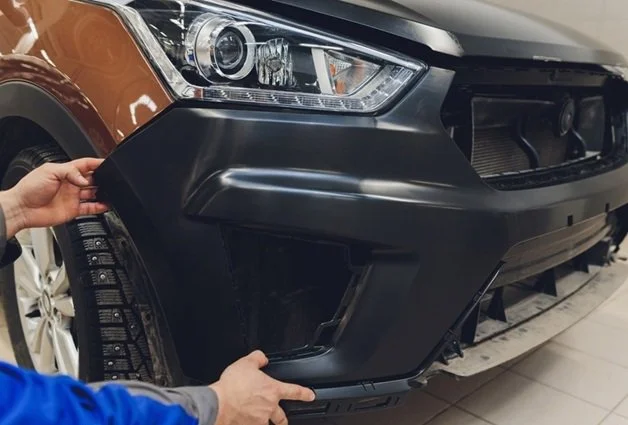
Accidents happen fast and repairs never seem to. Whether it was a low-speed parking lot mishap or something more serious, the moment you're looking at bumper damage, the first question is usually how long you'll be without your car. The honest answer isn't a single number, it depends on how bad the damage actually is, what your specific vehicle needs, and whether paint is involved. A reliable auto repair service can give you an exact timeline once they've actually seen the damage, but here's what generally determines where you'll land.
The General Range
Most straightforward bumper replacements take 4 to 8 hours of actual shop labor. If the new bumper needs to be painted to match your car, which is the case for the vast majority of replacements, add another 2 to 3 days for paint and cure time, longer if the shop has a backlog. A same-day turnaround is possible when the damage is minor and the shop already has the part in stock, but it's the exception rather than the rule once painting is involved.
What Actually Determines Your Timeline
Extent of damage. A scratch or minor crack that doesn't require full removal is a much shorter job than a bumper that's torn, badly dented, or hanging loose. If your damage is more cosmetic than structural, it's worth confirming whether you actually need a replacement at all, touch-up paint can handle a surprising range of minor damage without the wait a full replacement requires.
Parts availability. Common models on popular vehicles are often in stock or a short order away. Less common cars, or specific trim colors, may need a special order that adds days before work can even start. This is worth asking about upfront, since it's the single biggest variable outside the shop's control.
Vehicle technology. Bumpers on newer vehicles often house parking sensors, cameras, and radar components for driver-assistance features. After installation, these need to be recalibrated, which adds meaningful time to the job beyond the physical swap itself. Skipping this step isn't an option if you want those systems working correctly afterward.
Shop schedule. A shop running at capacity will naturally take longer to get to your car than one with open bays. Asking about current turnaround time when you book is a fair question and a good way to set expectations early.
Repair vs. Replace: A Faster Path When It Applies
Not every bumper issue actually needs a full replacement, and knowing the difference can save you days. A contained scratch or a shallow dent without cracked paint is often a repair job measured in hours, not days. Deeper scratches that go through multiple paint layers still usually fall into the repair category rather than requiring a new bumper entirely.
The same logic applies to dents specifically. Door and panel dent repair costs and timelines follow a similar pattern, paintless repair for shallow damage measured in hours, traditional bodywork with paint for anything deeper.
Hail damage is a good example of how damage type changes the calculation entirely. Hail damage repair timelines and costs vary enormously based on whether panels can be worked back into shape or need replacing outright, the same repair-versus-replace decision that applies to bumpers.
When You're Looking at a Full Replacement
Once a bumper is cracked through, torn from its mounts, or damaged badly enough that a technician determines repair isn't reliable, you're in replacement territory. How the full bumper painting process actually unfolds day by day is worth understanding here, since painting is usually the longest single phase of a replacement, longer than removing the old bumper and installing the new one combined.
What a Typical Timeline Actually Looks Like
Day one: Damage assessment, ordering parts if they aren't in stock, and removal of the damaged bumper.
Day one to two: Prep work on the new bumper, primer, base coat, and clear coat application, each requiring dry time between steps.
Day two to three: Final cure time, installation, sensor recalibration if applicable, and a quality check before the car is released.
Rushing any of these steps, particularly paint cure time, tends to show up later as a visible flaw or a finish that doesn't hold up, which is a worse outcome than waiting the extra day.
Cost and Time Are Connected
It's worth understanding that the same factors driving your timeline also drive your cost. What actually determines bumper repair pricing tracks closely with the same variables covered here, damage extent, parts, and paint complexity, so a longer timeline usually correlates with a higher bill.
If paint alone is the concern rather than a full bumper swap, paint-specific cost factors are worth a separate look, since that's often the majority of both the time and the cost in a replacement.
Getting an Accurate Timeline for Your Car
The only way to get a real answer is to have your specific damage assessed. Call (602) 464-6556 and we'll give you a realistic estimate once we've seen the car.
You can also request an estimate here if you'd like a sense of timing and cost before booking anything.
Frequently Asked Questions
How Long Does A Bumper Replacement Usually Take?
Most bumper replacements take 4 to 8 hours of shop labor. If the new bumper needs to be painted, which is typical, add 2 to 3 days for painting and cure time. Total turnaround is commonly 2 to 3 days from drop-off to pickup.
Can A Bumper Be Replaced In One Day?
Sometimes, if the damage is minor, the part is already in stock, and no painting is required. Once painting enters the picture, which is the case for most replacements, a same-day turnaround usually isn't realistic due to cure time between coats.
Does A Damaged Bumper Always Need To Be Replaced?
No. Minor scratches, shallow dents, and small cracks can often be repaired rather than replaced, which is both faster and less expensive. Replacement generally becomes necessary once the bumper is cracked through, torn from its mounts, or damaged extensively enough that repair wouldn't be reliable.
Why Do Sensors And Cameras Add Time To A Bumper Replacement?
Many newer bumpers house parking sensors, cameras, and radar components for driver-assistance features. After installation, these need to be recalibrated to function correctly, which adds labor time beyond the physical bumper swap and shouldn't be skipped.
What Slows Down A Bumper Replacement The Most?
Parts availability and paint cure time are usually the two biggest factors. A special-order part can add days before work even starts, and rushing paint cure time to save a day often results in a finish that doesn't hold up, which ends up costing more time in the long run.