How Much Does it Cost to Paint a Bumper?
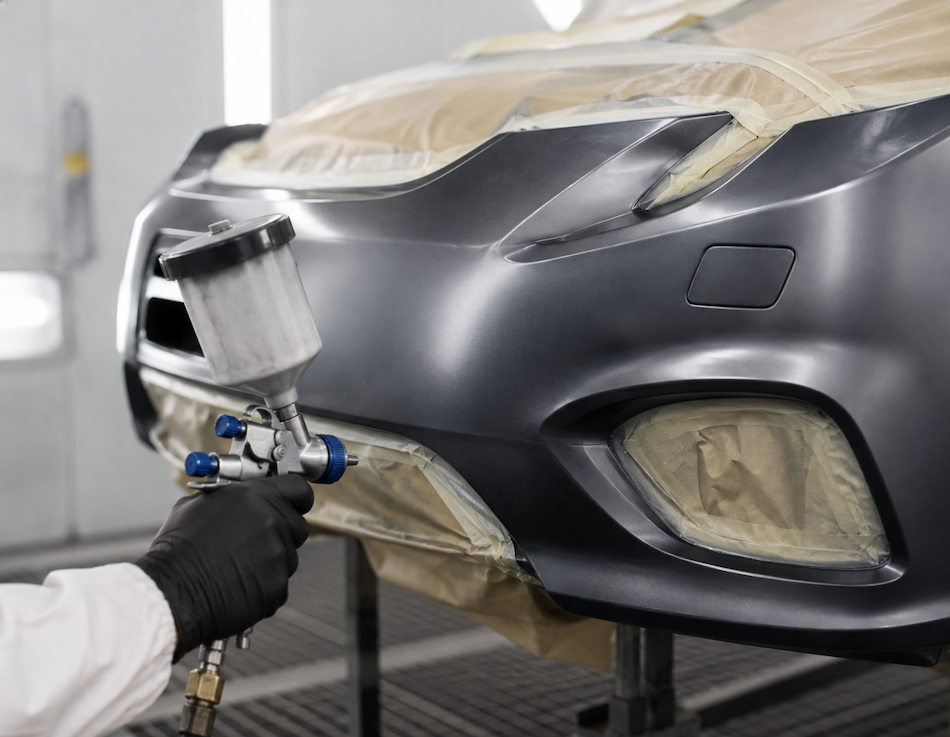
Painting a bumper typically runs anywhere from around $150 for a simple touch-up on a minor scuff to $2,500 or more on a luxury vehicle with sensors built into the panel. That's a wide range, and the reason it's wide is that "paint a bumper" can mean a dozen different jobs depending on the damage, the finish, and the car underneath it. The figures below are general industry ranges meant to give you a realistic sense of what to expect, not a quote, since actual pricing depends on your region, the shop you choose, and what a technician finds once they look at the damage up close. This guide breaks down what typically drives the price up or down, so you can walk into an estimate knowing roughly where your repair should land and why.
What You Can Expect to Pay
Here's a general breakdown of typical bumper paint pricing by scenario. These are industry-wide ranges pulled together from typical shop pricing, not a quote for your specific vehicle, and they can shift based on your location and the shop you use.
| Scenario | Typical Range |
|---|---|
| Minor touch-up (small scuff, no bodywork) | $150 to $300 |
| Standard full bumper repaint, solid color | $300 to $600 |
| Premium finish (metallic, pearl, tri-coat) | $500 to $1,000+ |
| Luxury or European vehicle, complex color or sensors | $500 to $2,500+ |
| DIY supplies only (paint, primer, clear coat) | $50 to $150 |
Labor is typically billed at somewhere between $50 and $200 per hour depending on the shop and region, with specialty and dealership-level shops usually sitting at the higher end. A bumper repaint with straightforward prep might only need a couple of hours of actual labor, while one with cracks, fill work, or a bumper that has to be removed and reinstalled can run considerably longer.
A bumper repaint isn't a single, standardized service the way an oil change is. It's a bundle of smaller jobs, cleaning, sanding, filling, priming, color matching, spraying, clear coating, and curing, and the amount of work in each step depends entirely on your specific vehicle and damage. Two bumpers that look similarly scratched from a few feet away can require completely different amounts of labor once a technician gets a close look. That's why the ranges above are a starting point, not a promise, and the factors below explain what pushes a given repair toward the low end or the high end.
The Extent and Type of Damage
This is the single biggest driver of cost. A light scuff or a shallow scratch that hasn't broken through the clear coat is a relatively quick fix, clean, sand, blend, and reclear, and tends to land at the lower end of the range, often $150 to $300. A crack, a deep gouge, or a section that's been pushed out of shape is a different job entirely. It needs to be filled, reshaped, and sanded smooth before any paint goes on, and that prep work is usually where the bulk of the labor time goes, which can push a repair well past $500 even before factoring in paint type or vehicle. If you're not sure which category your damage falls into, this breakdown of different types of car paint damage and how to fix them is a good starting point for figuring out what you're actually dealing with.
Paint Type and Finish Complexity
Not all paint jobs require the same number of steps, and that shows up directly in the price. A solid, single-stage color can often be matched and sprayed in fewer passes, which is part of why standard repaints tend to fall in the $300 to $600 range. Metallic, pearlescent, and tri-coat finishes are more involved, they need a base coat, a color coat with reflective particles or pigment layers, and a clear coat, each requiring its own drying time and careful application to avoid an uneven, blotchy look. That added complexity is a big reason premium finishes often run $500 to $1,000 or more for the same size repair. The more complex your factory finish, the more skill and time it takes to match it convincingly, and that shows up directly in your quote.
If the damage in question is actually a small, isolated chip rather than a scuffed panel, it's worth knowing that a full bumper repaint usually isn't necessary. Our guide to fixing paint chips on a car with touch-up paint covers when a spot repair is the right call instead of a full respray.
Whether the Bumper Needs to Be Removed
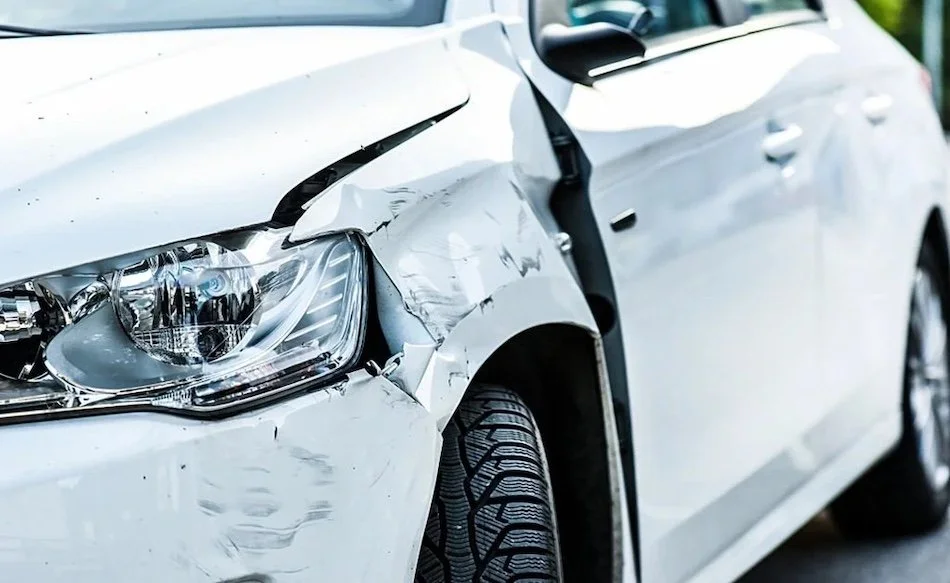
Some repairs can be done with the bumper still mounted on the car. Others require pulling it off entirely to get clean, even coverage and to reach damage near the edges or mounting points. Removing and reinstalling a bumper typically adds a couple hundred dollars in extra labor on both ends of the job, and it's also often the safer choice for a quality result, since overspray and masking around a bumper that's still attached is trickier to control. If you want a sense of how the different stages, prep, painting, and curing, add up in terms of time rather than dollars, this full breakdown of how long it takes to paint a car bumper lays out each phase.
Modern Bumpers and Sensor Technology
This is a factor that a lot of pricing guides skip entirely, and it's become increasingly relevant. Bumpers on newer vehicles aren't just plastic shells anymore. Many house parking sensors, blind spot sensors, cameras, and radar units for adaptive cruise control and collision warning systems. These components are precisely calibrated to sit at a specific depth and angle within the bumper.
Paint that's applied too thick, or filler that's used carelessly around a sensor housing, can throw off that calibration or physically prevent a sensor from seating correctly. On top of the paint work itself, a bumper with sensors may need a professional recalibration afterward to confirm everything is reading correctly, which is typically billed separately from the paint job and can add anywhere from around $75 to a few hundred dollars depending on the system. Skipping this step doesn't just risk a poor paint job, it risks the accuracy of safety systems you rely on every day. If your vehicle has any of this technology built into the bumper, it's worth asking your shop directly whether recalibration is included or billed separately.
Labor Rates and Shop Type
Where you take your car matters as much as what's wrong with it. A large chain paint shop, an independent body shop, and a dealership collision center all price labor differently, generally somewhere in that $50 to $200 per hour range mentioned earlier, and rates vary by region and by the specific expertise required. A shop that specializes in your make, particularly for European and luxury vehicles with more complex paint systems, may charge more per hour but also finish the job with fewer do-overs and a more accurate color match, which often makes it the better value even at a higher rate. For a sense of how labor estimates get built out for auto body work generally, this overview of how long auto body repair typically takes explains how shops scope a job before quoting it.
Vehicle Type and Paint Complexity
Luxury and European vehicles tend to carry a higher price tag for bumper work, often landing in that $500 to $2,500-plus range, and it's not just brand markup. These vehicles often use more advanced paint systems, tighter factory tolerances, and color codes that are harder to match precisely, especially on vehicles with custom or specialty colors. If you drive a BMW and want a shop that already knows the paint systems and sensor layouts specific to your model, the team at our BMW service center in Peoria works with these vehicles daily and can give you a realistic sense of what your specific repair involves.
Repair vs. Replace: How That Changes the Math
Sometimes the more cost-effective path isn't repairing the existing bumper at all, it's replacing it and painting the new one. Full bumper replacement including paint typically runs $500 to $1,500, and can climb higher on vehicles with rare parts, aftermarket components, or embedded technology. This tends to make sense when the damage includes structural cracking, when a bumper has been damaged in more than one spot, or when the mounting hardware itself is compromised, since repairing all of that can end up costing more in labor than starting with a new panel. Replacement introduces its own variables, part sourcing, OEM versus aftermarket components, and paint-matching a brand-new panel to the rest of a car that's aged and faded slightly over time. This guide to how long it takes to replace a bumper walks through how shops typically approach that decision.
Does Insurance Cover Bumper Painting?
If the damage happened in a covered incident, such as a collision, hit-and-run, or certain types of vandalism, your auto insurance may cover some or all of the repair, depending on your policy and deductible. Cosmetic wear from age, sun exposure, or minor parking scuffs generally isn't covered. If you're unsure whether your situation qualifies, it's worth calling your insurance provider before you get repair quotes, since the answer can change how you approach the repair, and some shops are able to work directly with your insurer to streamline the claims process.
DIY vs. Professional: What You're Really Weighing
A DIY bumper repaint can save a meaningful amount of money on labor, since materials alone typically run $50 to $150 versus several hundred dollars once professional labor is added in. But DIY shifts a lot of risk onto you. Color matching without professional tools is genuinely difficult to get right, especially on metallic or pearl finishes, and any mistakes around sensors or mounting hardware can be costly to correct afterward, sometimes costing more to fix than a professional job would have in the first place. DIY makes the most sense for cosmetic touch-ups on older, lower-value vehicles where a slight mismatch isn't a big concern. For anything involving structural repair, sensor components, or a finish you want to look factory-correct, professional work tends to be worth the difference, both in appearance and in avoiding a repeat repair.
How to Get an Accurate Quote
The best way to understand what your specific repair will cost is to have it assessed in person rather than guessing from an online range. When you're getting quotes, ask each shop to walk you through what's included: prep and bodywork, paint and materials, sensor recalibration if applicable, and whether the bumper needs to be removed. A detailed, itemized quote is far more useful than a single number, since it shows you exactly where your money is going and makes it easier to compare shops fairly. If you'd like a straightforward assessment of your bumper before committing to a repair, you can reach out to Arrowhead Imports and we'll walk you through what your car actually needs.
Getting Your Bumper Looking Its Best Again
Bumper paint jobs generally fall somewhere between $150 for a minor touch-up and $2,500 or more for a complex luxury repair, and now you know why that range is so wide. What actually matters is understanding where your specific repair lands and why: how bad the damage is, what kind of finish your car has, whether sensors are involved, and whether repair or replacement makes more sense. Walking into a shop with that context means you'll understand your quote instead of just hoping it's fair. For Porsche owners weighing a repair on a higher-value vehicle, our Porsche service center in Peoria can give you a clear, itemized picture of what your specific repair involves before you commit to anything.
Frequently Asked Questions
What Factors Affect The Cost To Paint A Bumper?
The biggest factors are the extent and type of damage, the complexity of your paint finish, whether the bumper needs to be removed from the car, whether sensors are built into the bumper, and the labor rate of the shop you choose. Together these push a repair anywhere from around $150 for a minor touch-up to $2,500 or more on a luxury vehicle with a complex finish and embedded sensors.
Is It Cheaper To Paint Or Replace A Damaged Bumper?
It depends on the damage. Cosmetic scuffs and shallow scratches are usually more efficient to repair and repaint, often for a few hundred dollars. Structural cracks, multiple damaged areas, or compromised mounting hardware often make replacement the more practical choice, since full replacement with paint typically runs $500 to $1,500 but can still work out cheaper than extensive repair labor on badly damaged panels.
Does Bumper Paint Cost More On Modern Cars With Sensors?
Often, yes. Bumpers with parking sensors, cameras, or radar units for driver assistance systems require careful paint application to avoid interfering with calibration, and may need a professional recalibration afterward, typically billed separately and adding anywhere from around $75 to a few hundred dollars. Both the extra care during painting and the recalibration add time and expertise compared to a bumper without embedded technology.
Does Car Insurance Cover Bumper Painting?
It depends on your policy and how the damage occurred. Damage from a covered incident like a collision is often eligible, subject to your deductible, while general cosmetic wear or sun fading typically isn't. Check with your insurance provider before getting quotes so you know what to expect from your specific coverage.
Can I Save Money By Painting My Bumper Myself?
Yes, DIY supplies typically cost $50 to $150 compared to several hundred dollars once professional labor is included, so there's real savings potential. That said, color matching and clear coat work are difficult to get right without professional equipment, especially on metallic or pearl finishes. DIY tends to work best for minor cosmetic touch-ups on older vehicles rather than repairs involving structural damage or sensor components.