How Much Will It Cost to Fix a Bumper on a Car? Price Guide
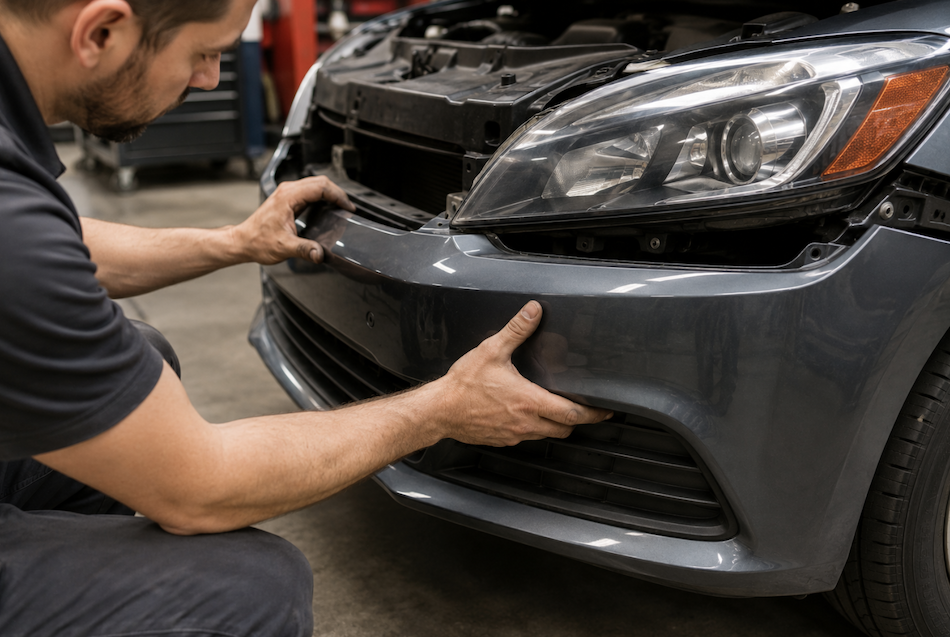
If you're staring at a scraped, dented, or cracked bumper and searching for a number, here's the honest answer: it depends heavily on what kind of damage you're actually dealing with, and the range is wide enough that a generic figure isn't very useful on its own. A light scuff might run under $150. A cracked bumper that needs replacing can climb past $2,000. The gap between those two numbers is the entire point of this guide, since knowing which category your damage falls into is what actually tells you what to expect. If you'd rather skip the guesswork entirely, an auto repair specialist in Peoria can look at the damage in person and give you a number specific to your car in a few minutes.
This breaks down real cost ranges by damage type, what drives a repair toward the low end or the high end, and how to decide between repairing what you have and replacing it outright.
What You Can Expect to Pay by Damage Type
Here's a general breakdown pulled from typical industry pricing across auto body shops. These are ranges, not quotes, and your specific vehicle and location will shift them up or down.
| Damage Type | Typical Cost Range |
|---|---|
| Light scratches or surface scuffs | $100 to $300 |
| Minor dent, paintless dent repair (no paint damage) | $150 to $600 |
| Moderate dent with paint damage (filler and repaint) | $250 to $750 |
| Cracks or punctures (repaired, not replaced) | $250 to $1,200 |
| Full bumper replacement (parts and labor) | $500 to $2,500+ |
| DIY repair kit (scratches or shallow dents only) | $15 to $100 |
Labor for bumper work typically runs $50 to $150 per hour depending on your region and the type of shop, with specialty and luxury-vehicle shops sitting at the higher end of that range.
Light Scratches and Scuffs
This is the cheapest category by far, and it's also the most common. If the damage hasn't broken through the clear coat, a shop can usually wet-sand and buff it out in a few hours, often for $100 to $300. If the scratch is a little deeper but still cosmetic, touch-up paint and careful blending brings it back without needing to repaint the whole panel.
Dents: Paintless Repair vs. Traditional
If the paint surface is still intact, paintless dent repair (PDR) is usually the fastest and cheapest option, running $150 to $600 depending on the size and location of the dent. PDR works by carefully manipulating the material back into shape from behind, without sanding or repainting. Not every dent qualifies, since plastic bumpers flex differently than metal panels, but when it works, it's a clear win on both cost and turnaround time.
If the dent has cracked or chipped the paint, you're looking at traditional repair instead: sanding, filler, priming, and repainting the affected area. That typically runs $250 to $750, and can climb toward $1,200 for larger or more visible damage that needs a wider blend into the surrounding panel.
Cracks and Punctures: Repair or Replace?
Cracks are where the decision gets more complicated. Most modern bumper covers are made from thermoplastic materials that can often be repaired through plastic welding or bonding, which is generally cheaper than a full replacement and typically falls in the $250 to $1,200 range depending on the size and location of the crack. This works well for a single, contained crack that hasn't compromised the bumper's structural mounting points.
Once a crack extends across a large area, involves multiple cracks, or reaches a spot where the bumper attaches to the vehicle, repair stops making sense and replacement becomes the safer, and often cheaper in the long run, option.
Full Bumper Replacement Costs
A full bumper replacement, including the new cover, paint to match your vehicle's color, and labor, typically runs $500 to $2,500 or more. Where you land in that range depends heavily on a few factors:
OEM vs. aftermarket parts. Genuine manufacturer parts generally cost more than aftermarket equivalents but offer a more precise fit and finish.
Paint complexity. A solid factory color is cheaper to match than a metallic, pearl, or tri-coat finish. For a full breakdown of how paint type affects cost specifically, this guide on what it costs to paint a bumper covers that piece in detail.
Vehicle type. Luxury and European vehicles tend to sit at the higher end, since parts and paint systems are more specialized.
Labor time. Removing the old bumper, prepping the new one, painting it, and reinstalling everything adds up. This full breakdown of how long bumper painting actually takes gives a sense of where that labor time goes.
Sensors and Cameras Add to the Bill
Modern bumpers often aren't just plastic and paint. Many house parking sensors, cameras, and radar units for driver-assistance features like adaptive cruise control and collision warning. If your bumper has any of this built in, factor in the cost of a professional recalibration after the repair, which is typically billed separately from the bodywork itself and can add anywhere from $75 to a few hundred dollars depending on the system. Skipping this step doesn't just risk a bad paint job, it risks the accuracy of safety systems you rely on daily.
Repair vs. Replace: How to Decide
As a rough guide, repair usually makes sense when the damage is contained to one area, the bumper's structure and mounting points are undamaged, and the cost of repairing is meaningfully lower than a full replacement. Replacement tends to be the better call when the damage includes multiple cracks, the bumper has come loose from its mounts, or embedded technology like sensors has been physically damaged rather than just requiring recalibration. If you're leaning toward replacement, this guide to how long it takes to replace a bumper walks through the typical timeline and what affects it.
Does Insurance Cover Bumper Repair?
If the damage happened in a covered incident, such as a collision or certain types of vandalism, your collision or comprehensive coverage may pay for some or all of the repair, minus your deductible. Cosmetic wear from age, sun exposure, or minor parking scuffs generally isn't covered. Before filing a claim for a smaller repair, it's worth weighing the repair cost against your deductible and the possibility of a premium increase, since paying out of pocket sometimes works out cheaper over time for minor damage.
DIY vs. Professional Repair
DIY repair kits, running $15 to $100, can handle light scratches and very shallow dents reasonably well, especially on older vehicles where a slight imperfection isn't a big concern. Where DIY starts to fall short is color matching, since getting a factory-correct blend without professional tools is genuinely difficult, and any mistakes around sensors or mounting hardware can turn into a more expensive fix than if you'd gone to a shop in the first place. For cosmetic touch-ups on a car you're not planning to sell soon, DIY can make sense. For anything involving cracks, structural damage, or a finish you want to look right, professional work is usually worth the difference.
Getting an Accurate Quote
The only way to know exactly what your repair will cost is to have it assessed in person. When you're comparing quotes, ask each shop to break down what's included: prep and bodywork, paint and materials, sensor recalibration if applicable, and whether the bumper needs to come off the car entirely. A detailed, itemized quote tells you far more than a single number and makes it much easier to compare shops fairly.
If you'd like a straightforward, no-pressure assessment, give us a call at (602) 464-6556 and we'll walk you through what your specific bumper actually needs.
Prefer to reach out online instead? You can request an estimate here and we'll get back to you with next steps.
Getting Your Bumper Back in Shape
Bumper repair costs swing from under $150 to well over $2,000, and the honest driver of that range is the type and extent of damage, not the badge on your car. A light scratch, a paintless dent repair, a plastic weld, and a full replacement are four very different jobs, and knowing which one you're actually looking at is what turns a vague worry into a manageable decision.
If you're not sure which category your damage falls into, or you'd simply rather have a second set of eyes on it, give us a call at (602) 464-6556 and we'll help you figure out the right next step.
You can also request an estimate online whenever it's convenient, and we'll follow up with what your specific repair actually needs.
Frequently Asked Questions
What Is The Cheapest Way To Fix A Car Bumper?
Light scratches and shallow scuffs are the cheapest to address, typically $100 to $300 at a shop, or as little as $15 to $100 with a DIY repair kit if the damage is minor enough. Paintless dent repair is the next cheapest option for dents that haven't cracked the paint, usually $150 to $600.
Is It Cheaper To Repair Or Replace A Bumper?
It depends on the damage. Contained cracks and dents are almost always cheaper to repair, often $250 to $1,200, than to replace. Once damage spreads across multiple areas, compromises the mounting points, or involves multiple cracks, replacement at $500 to $2,500 or more often ends up being the more sensible option rather than paying for extensive repair labor.
Does Bumper Repair Cost More If My Car Has Sensors?
Often, yes. Bumpers with parking sensors, cameras, or radar components require careful handling during repair to avoid affecting calibration, and typically need a separate professional recalibration afterward, usually $75 to a few hundred dollars. Both factors add time and cost compared to a bumper without embedded technology.
Will My Insurance Cover Bumper Damage?
It depends on your policy and how the damage happened. Damage from a covered incident like a collision is often eligible under collision or comprehensive coverage, subject to your deductible. General wear, fading, or minor scuffs from everyday use typically aren't covered, so it's worth checking with your provider before assuming a claim makes sense.
How Long Does A Bumper Repair Take?
A minor repair like a scratch buff or paintless dent repair can often be done in a few hours to a day. More involved repairs with filler, painting, and curing time typically take one to three days. A full replacement can take longer if parts need to be ordered, especially for less common vehicles or OEM parts.