Signs of Transmission Slipping and How to Fix It
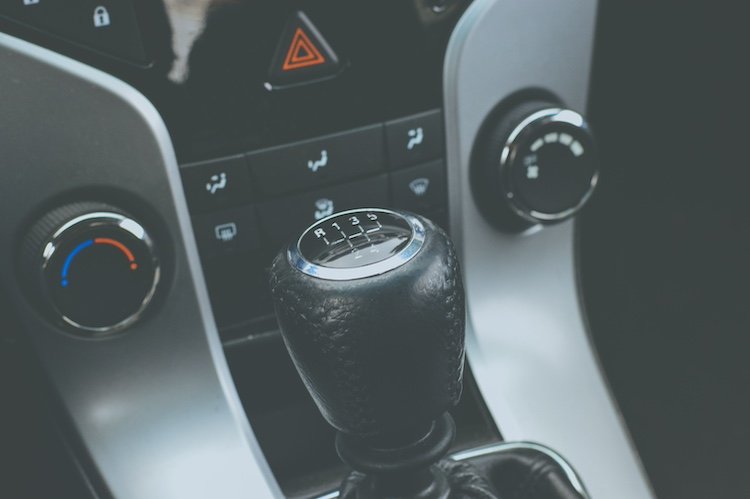
You're merging onto the highway, you press the gas a little harder, and... nothing. The engine revs up, but the car doesn't actually speed up like it should. For a second you wonder if you imagined it. Then it happens again a mile later.
That's not your imagination. That's a transmission slipping.
At Arrowhead Imports, our techs see this exact scenario walk through the bay doors a few times a week - usually from someone who's been quietly hoping the problem would just go away on its own. It won't. But the good news is that transmission slipping almost always shows warning signs well before it leaves you stranded, and most of the early causes are fixable without a full rebuild.
Here's what to watch for, what's actually going on inside your transmission, and what it takes to fix it.
Quick Answer
If you're asking "how do you know if your transmission is slipping," the short version is this: your engine revs higher than normal for your speed, gear changes feel delayed or rough, and you may notice a burning smell or a dashboard warning light. If more than one of those is happening, it's worth getting the fluid and codes checked before it gets worse.
What Transmission Slipping Actually Means
A transmission's job is simple to describe and complicated to execute: it has to send the right amount of engine power to the wheels at the right gear, every time you accelerate, brake, or coast. "Slipping" happens when the transmission can't hold that connection. Internally, it briefly loses grip between gears - almost like a clutch that's not quite catching - so power goes in but doesn't fully make it to the wheels.
It can last half a second or it can happen on every single shift. Either way, it's a sign that something inside the transmission isn't doing its job correctly anymore.
Signs of Transmission Slipping You Shouldn't Ignore
Transmission slipping symptoms don't always look dramatic. A lot of drivers describe it as the car just "feeling off" before they can put their finger on what's wrong. Here's what that usually means in practice:
1. The Engine Revs, But The Car Doesn't Pick Up Speed. This is the classic one. You press the gas, the RPM needle climbs, and your speed lags behind where it should be. It feels like the car is hesitating to commit to a gear.
2. Gears Change Late, Rough, Or Seemingly At Random. Smooth shifting is the whole point of an automatic transmission. If you're feeling a delay before the car shifts, a hard clunk when it finally does, or shifts that happen with no clear pattern, that's the transmission struggling to engage properly.
3. A Burning Smell From Under The Hood. Transmission fluid is supposed to keep everything inside cool and lubricated. When it's low, old, or overheating from the friction of a slipping clutch pack, it gives off a distinct burnt smell - different from motor oil, and not something to drive past more than once.
4. Whining, Humming, Or Grinding Noises. A healthy transmission is pretty quiet. A whine that changes with engine speed, or a grinding feeling when shifting between gears, usually points to worn internal components.
5. The Car Jumps Out Of Gear Or Hesitates In Neutral. Some drivers feel the car briefly drop out of gear while driving, almost like it's coasting in neutral for a moment before catching again. That's slipping in its more obvious form.
6. A Warning Light On The Dash. Modern transmissions are monitored by sensors. A check engine light or a transmission-specific warning light doesn't always mean catastrophe, but it does mean the computer noticed something it didn't like.
7. Trouble Going In Reverse, Or It's Noticeably Weaker Than It Used To Be. This one gets dismissed a lot because reverse is used less. It shouldn't be ignored - it's often one of the earliest signs.
How Do You Know If a Transmission Is Slipping? A Quick Self-Check
If you're trying to figure out whether what you're feeling is actually a transmission problem before you book an appointment, here's a simple way to check at home:
Look at the fluid. With the engine warm and on level ground, check the transmission fluid level and color (your owner's manual will tell you where the dipstick or check point is). Healthy fluid is usually red or pink and translucent. Dark, brown, or burnt-smelling fluid is a red flag.
Watch your RPM gauge while driving. If your RPMs climb noticeably before your speed catches up, or hover higher than normal at a steady cruising speed, that's a sign.
Pay attention to shift timing. Time how long it takes to go from park to drive, and notice any hesitation between shifts while accelerating.
Listen. Roll the windows down for a minute on a quiet street and listen for whining or grinding during shifts.
None of this replaces an actual diagnostic scan, but it's enough to tell you whether it's time to bring the car in.
What Causes a Transmission to Slip
There's rarely one single cause - it's usually one of these, sometimes a couple at once:
Low or degraded transmission fluid. The single most common cause, and often the cheapest to fix if caught early.
Worn clutch plates or bands. Over tens of thousands of miles, these wear down and lose their grip.
A failing solenoid. Solenoids control fluid flow to the gears. When one sticks or fails, shifting gets unpredictable.
A worn torque converter. This is the part that connects the engine to the transmission. When it wears out, you'll often feel slipping specifically at higher speeds.
Computer or sensor issues. Many newer transmissions, especially in import vehicles with CVTs or dual-clutch systems, are managed almost entirely by software. A sensor sending bad data can cause symptoms that look mechanical but aren't.
How to Fix Transmission Slipping
What it takes to fix it really depends on which of the above is actually happening - which is why a proper diagnosis matters more than guessing.
If It's Caught Early (Low Or Old Fluid): A transmission fluid flush and filter change is sometimes all it takes. This is the best-case scenario, and it's exactly why we tell people not to wait once they notice symptoms - the earlier it's caught, the cheaper and simpler the fix usually is.
If It's A Solenoid Or Sensor Issue: This typically means pulling diagnostic codes with a scan tool, then replacing the specific solenoid or sensor that's misbehaving. It's a targeted repair, not a full teardown.
If Clutch Packs, Bands, Or The Torque Converter Are Worn: This is more involved and usually means opening up the transmission to replace the worn components, or in some cases a full rebuild or replacement unit. It's a bigger job, but it's also far less common than people assume - most slipping we see doesn't get this far if it's addressed early.
What We Don't Recommend: topping off with the wrong fluid type, using "transmission stop-slip" additives as a long-term fix, or continuing to drive on it hoping it resolves itself. We've seen all three turn a $200 fix into a $2,000 one.
Why This Gets Trickier With Import Vehicles
Import transmissions - especially CVTs in many Japanese models and the dual-clutch and adaptive automatic systems common in European brands - are built and calibrated differently from domestic units. The diagnostic codes can look similar to a generic scan tool, but the actual fix often isn't. A solenoid replacement on a German dual-clutch transmission and on a Japanese CVT are two very different jobs, requiring different fluids, different procedures, and in some cases manufacturer-specific software to even reset the adaptive learning afterward.
This is the part that trips up a lot of general repair shops, and it's the reason brand-specific experience actually matters here.
Why Drivers Trust Arrowhead Imports With This
We've specialized in import vehicle repair for years, and transmission diagnostics are one of the most common reasons people find us - usually after a dealership quote came back high, or a generalist shop couldn't pin down the exact cause. Our technicians are ASE certified and trained specifically on the transmission systems used across European and German import brands, and we use manufacturer-level diagnostic equipment rather than a one-size-fits-all code reader.
In practice, that means when a customer brings in a car with a slipping transmission, we're not guessing between three possible causes - we're running the actual diagnostic sequence that brand's engineers built, reading live data instead of just a generic trouble code, and giving a straight answer about whether this is a $150 fluid service or a bigger repair. We back our transmission work with a written warranty, and we'll always show you what we found before we touch anything.
FAQ
How Do You Know If Your Transmission Is Slipping?
The clearest signs are the engine revving without a matching increase in speed, delayed or rough gear shifts, a burning smell, or a dashboard warning light. If you notice two or more of these, it's worth a diagnostic check.
Is It Safe To Keep Driving With A Slipping Transmission?
Short trips at low speed usually won't strand you immediately, but slipping tends to get worse, not better, and driving on it longer increases wear on internal components and the risk of complete failure at a worse time. We'd recommend getting it looked at within a few days, sooner if it's happening on every shift.
Can Low Transmission Fluid Really Cause Slipping?
Yes - it's the most common cause we see. Low or degraded fluid can't maintain the pressure and lubrication the transmission needs to hold gears properly, and it's often the easiest of all the causes to fix.
How Much Does It Cost To Fix A Slipping Transmission?
It varies a lot depending on the cause - a fluid and filter service is on the lower end, a solenoid or sensor replacement is moderate, and clutch or torque converter work is on the higher end. The only way to know for sure is a proper diagnostic, which is exactly what we'd start with.
If You're Noticing These Signs Right Now
Don't wait for it to get worse on the highway. Bring it in to Arrowhead Imports and we'll run a real diagnostic, walk you through exactly what's going on, and give you a straight answer on what it'll take to fix it.