How Much Does Hail Damage Repair Cost for a Car?
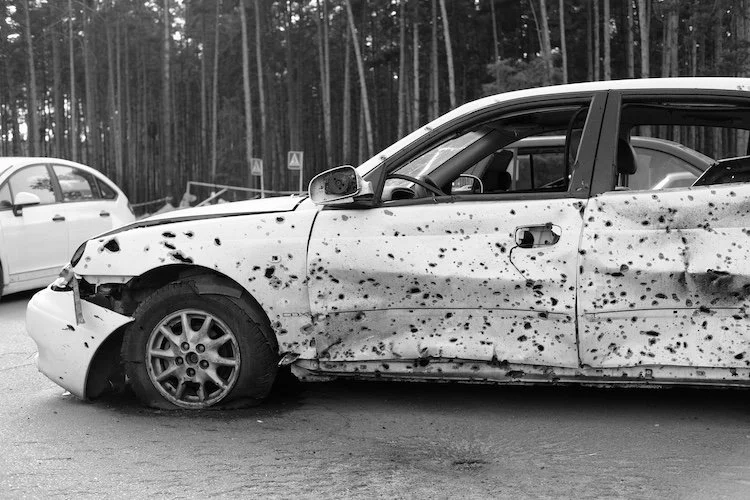
Most of the damage our cars deal with is at least somewhat in our control. We drive carefully, park away from shopping cart corrals, and avoid that one tree the birds clearly love. Hail doesn't care about any of that. One bad ten-minute storm can leave a car looking like it lost a fight, and there's nothing you could've done differently. So naturally, the first question most people ask afterward is how much does hail damage repair cost for a car - and the honest answer is, it depends on a handful of things that are worth understanding before you call a shop.
Average Hail Damage Repair Cost
There's no single number that applies to every hailstorm, because the cost of hail repair depends on how many dents there are, how deep they are, whether any glass or trim got damaged, and whether the repair can be done with paintless dent repair or needs traditional bodywork. Minor, scattered dents usually cost a lot less to fix than deep dents or anything involving cracked paint or glass. The best way to get a real number is a hands-on inspection - but knowing what drives the price helps you make sense of whatever quote you get back.
What Hail Damage Actually Looks Like on a Car
Hail doesn't just leave one obvious problem - it tends to cause a mix of smaller issues that add up:
Dents across the hood, roof, and trunk. These are the most common and most visible. Even shallow ones are easy to spot once you know to look for the light reflecting off them at an angle.
Cracked or shattered glass. Larger hailstones can crack windshields and side windows, and a cracked windshield only gets worse with time, vibration, and temperature changes.
Damaged mirrors and lights. Side mirror housings and headlight or taillight covers can crack or shatter, which isn't just cosmetic - it affects visibility and safety.
Chipped paint at impact points. This one gets missed a lot. Even where there's no obvious dent, a hard enough hit can chip the clear coat, which opens the door to rust if it's left alone.
What Affects Hail Damage Car Repair Cost
A few key factors shape the final number on any hail damage repair price quote:
Severity and number of dents. A handful of small dents on one panel is a very different job than dozens of dents spread across the hood, roof, and trunk. More damage means more labor time, plain and simple.
Whether paintless dent repair is an option. This is one of the biggest factors, and it's explained in more detail below.
Vehicle type and material. Some vehicles, especially many European models, use aluminum body panels rather than steel. Aluminum behaves differently under a dent repair tool, and it takes a tech specifically trained for it. That can affect both the cost and which shops are equipped to do the work properly. Sourcing replacement trim or glass for less common or older vehicles can also add time and cost if parts aren't readily available.
Glass and trim damage. Dent repair and glass replacement are priced separately, so if your windshield or a mirror housing took a hit too, that's an added line item beyond the dent work itself.
Where you're located. Labor rates and auto repair in Peoria, AZ - or wherever you happen to be - vary by region, the same way they would for any other repair cost. A shop in a major metro area may price labor differently than a smaller market.
Your insurance deductible. If you're filing a comprehensive claim, your out-of-pocket cost comes down to your deductible rather than the full repair bill, which matters a lot when comparing your options.
Paintless Dent Repair vs. Traditional Bodywork: Why It Changes the Cost
This is the part that catches a lot of people off guard. Hail damage repair isn't always handled the same way a dent from a parking lot mishap would be.
Paintless dent repair (PDR) is exactly what it sounds like - a technician accesses the back of the panel and gently massages the dent out from behind, without needing to repaint anything. Since the factory paint stays untouched, PDR is usually faster and more affordable than traditional bodywork, and it's the preferred method for hail damage whenever the dents are shallow enough and the paint wasn't cracked in the process.
Traditional bodywork comes into play when a dent is too deep, too close to a panel edge, or the paint cracked on impact. In those cases, the panel needs filler, sanding, primer, and a fresh paint job to blend in - which takes more time, more materials, and more labor than PDR.
A good shop will tell you upfront which approach your car needs and why, rather than defaulting to the more expensive option out of habit.
Does Insurance Cover Hail Damage?
In most cases, yes - hail damage typically falls under comprehensive coverage, since it's considered an act of nature rather than an at-fault collision. What you'll actually pay out of pocket comes down to your deductible, so it's worth pulling out your policy and checking that number before you assume a claim isn't worth filing.
A few practical tips if you're going this route: photograph the damage as soon as it's safe to do so, get an inspection from a shop sooner rather than later, and ask about how a hail claim might affect your premium - insurers handle this differently, so it's worth a quick call to your agent rather than guessing.
How to Get an Accurate Repair Estimate
If you want a number you can actually trust, here's what helps:
Get it looked at within a few days, not weeks. Minor hairline cracks in paint or glass tend to get worse with time and temperature swings.
Ask whether the shop does PDR in-house. Some shops sublet this work out, which can affect both turnaround time and price.
Get more than one estimate if the damage is significant enough to matter. Estimates can vary, especially when it comes to whether a shop recommends PDR or traditional repair for the same dent.
Check for hidden damage. Trim edges, window seals, and roof rails can hide small dents or cracks that aren't obvious from a quick glance.
Preventing Hail Damage Where You Can
You can't control the weather, but a few habits cut down your odds significantly:
Park under cover when you can. A garage or carport is the most reliable protection there is. Even a covered carport at work or a parking garage downtown beats an open lot.
Keep a car cover handy. If covered parking isn't available, a car cover built for hail protection is a reasonable backup, and it doesn't have to be expensive to do the job.
Pay attention to weather alerts. A lot of phones and weather apps now send severe storm warnings with enough lead time to move your car under cover before hail actually starts falling.
Avoid driving once hail starts. If you're caught in it, pulling under a gas station awning or parking structure is safer than trying to outdrive a storm.
Why It's Worth Acting Quickly
Putting off hail damage repair rarely makes things better. Chipped paint left untreated can let rust start forming underneath, especially in humid or rainy climates. A cracked windshield can spread further with everyday temperature changes or even a pothole. And if you're planning to sell or trade in the car down the road, unrepaired hail damage shows up clearly in an inspection and tends to cost you more in lost value than the repair would have in the first place.
A Note From Our Body Shop
At Arrowhead Imports, hail season brings in a steady wave of inspections, and a lot of customers are surprised to learn their car qualifies for paintless dent repair rather than a full repaint. Because we work heavily with German and other import vehicles, we're used to handling aluminum panels and factory finishes that need a more careful touch than a standard steel-bodied car. If you're not sure whether your damage needs PDR or traditional bodywork, that's exactly what an inspection is for - we'll walk you through what we're seeing and why.
Related Post
How to Repair Hail Damage on Car
Frequently Asked Questions
How Much Does Hail Damage Repair Cost For A Car?
It depends on the number and depth of the dents, whether glass or trim was affected, and whether paintless dent repair is an option. A hands-on inspection is the only way to get an estimate that actually reflects your car's damage.
What's The Average Cost To Fix Hail Damage?
There isn't one universal average, since the cost of hail damage repair shifts a lot based on severity, vehicle type, and repair method. Minor, scattered dents handled with PDR generally cost less than damage requiring traditional bodywork and repainting.
Does Insurance Cover The Cost Of Hail Damage Repair?
Usually, yes, under comprehensive coverage, since hail is considered weather-related rather than at-fault damage. Your actual out-of-pocket cost will come down to your deductible, so it's worth checking your policy details.
Is Paintless Dent Repair Cheaper Than Traditional Bodywork For Hail Damage?
In most cases, yes. PDR avoids repainting altogether, which is usually the most time-consuming and costly part of a traditional repair. It's only an option, though, when the paint hasn't cracked and the dent isn't too deep or too close to a panel edge.
Final Thoughts
Hail damage repair cost isn't a fixed number - it's a combination of how bad the storm was, what kind of car you drive, and which repair method actually fits the damage. The best move after a storm is getting an inspection sooner rather than later, so small problems don't turn into bigger, more expensive ones. If you're dealing with hail damage and want a straight answer on what your car actually needs, we're happy to take a look and walk you through it.