Preventative Maintenance: Tips to Avoid Loose Spark Plug Issues
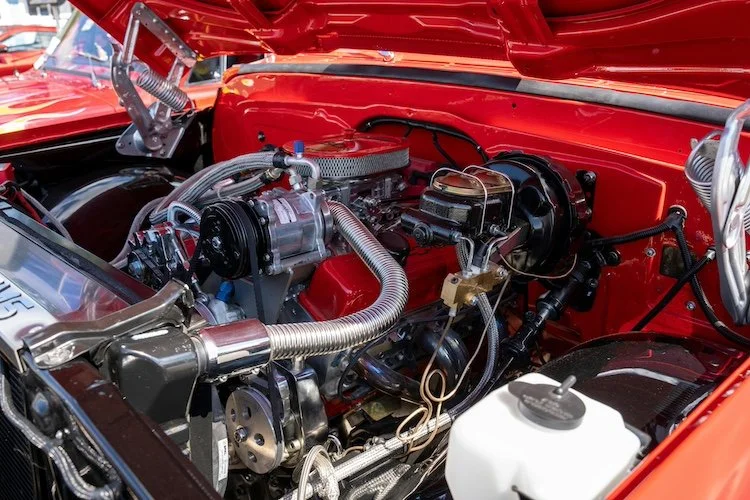
Spark plugs are small components but they play a critical role in your engine's performance. A loose spark plug might seem like a minor issue, but left unaddressed, it can cause engine misfires, poor fuel economy, and in worst cases serious engine damage. This guide covers everything you need to know about loose spark plugs - what causes them, how to spot the symptoms early, and how to prevent the problem from happening in the first place.
What is a Spark Plug and Why Does it Matter?
Without a spark, there is no ignition. Spark plugs transfer electrical impulses from the ignition coil to the air and fuel mixture in the combustion chamber at the precise moment of ignition. This controlled explosion is what drives the pistons and powers your vehicle.
A well-functioning spark plug burns fuel efficiently and keeps the engine running smoothly. A loose spark plug breaks that electrical connection - causing misfires, rough running, and in severe cases, allowing combustion gases to escape past the threads, which can damage the cylinder head threads and turn a simple fix into a costly repair.
What Causes a Spark Plug to Come Loose?
Understanding why spark plugs come loose helps you prevent them from happening. Common causes include:
Incorrect Installation Torque
The most common cause. Spark plugs have a precise torque specification - too loose and they will work themselves out over time, too tight and the threads can strip, making the plug impossible to remove cleanly. Both outcomes cause problems.
Thermal Expansion And Contraction
Engines heat up and cool down repeatedly. Over thousands of cycles, this expansion and contraction can gradually loosen a spark plug that was not installed to the correct torque specification to begin with.
Worn Or Stripped Cylinder Head Threads
If the threads in the cylinder head are worn or were previously damaged, the spark plug has nothing solid to grip and will work loose regardless of how carefully it is installed. This is more common on high-mileage engines and those that have had incorrect plugs fitted previously.
Skipping Service Intervals
Spark plugs that are left in too long become harder to remove and can seize or break during removal. This often results in damaged threads when the plug is eventually extracted, creating a loose fit for the replacement.
Engine Vibration
Excessive engine vibration - often caused by worn engine mounts - accelerates the loosening of spark plugs over time. If the mounts are failing, spark plugs are rarely the only component affected.
Loose Spark Plug Symptoms
These are the most common signs that a spark plug may be loose or failing:
Slow or sluggish acceleration
Noticeably poor fuel economy
Engine misfiring - felt as a stumble or judder under load
Rough idle - the engine feels unsteady or shaky at a standstill
Surging or hesitation when accelerating
Difficulty starting the vehicle
A ticking or tapping noise from the engine bay - this can indicate a plug working loose from the cylinder head
If you notice more than one of these symptoms together, have the spark plugs inspected promptly. A misfire left unaddressed puts strain on the catalytic converter and ignition coils, turning a straightforward fix into a more expensive repair.
How to Diagnose a Loose Spark Plug
Before replacing anything, confirm the spark plug is actually the cause. Here is how to check:
Check for Fault Codes First
Connect an OBD2 scanner and check for misfire codes. A P030X code (where X is the cylinder number) points directly to a specific cylinder misfiring, which narrows down which plug to inspect first.
Visual Inspection
With the engine cold, remove the ignition coil or plug wire from the suspect cylinder and attempt to turn the spark plug by hand with a plug socket. A plug that moves easily without the socket is already loose. Also inspect the area around the plug for any black sooty residue, which indicates combustion gases escaping past the threads.
Thread Inspection
If a plug comes out easily or the threads feel rough when removing, inspect the cylinder head threads carefully. Damaged threads need to be repaired with a thread insert kit before fitting a new plug - fitting a new plug into damaged threads will result in the same problem recurring quickly.
Top Preventative Tips to Avoid Loose Spark Plug Issues
Inspect Spark Plugs at Every Service
Regular inspection is the simplest way to catch a loose spark plug before it causes engine damage. During any service, the condition and security of the spark plugs should be checked visually. On European vehicles like Mercedes-Benz, BMW, and Audi, spark plug access varies significantly by model - some require significant disassembly to reach, which is another reason to address any issues early rather than waiting.
Always Use the Correct Torque Specification
When installing spark plugs, always use a torque wrench set to the manufacturer's specification for your specific engine. The correct torque value is listed in your owner's manual or service documentation. On most passenger car engines this falls between 15 and 30 Nm depending on plug size and thread type, but always confirm the exact figure for your vehicle rather than estimating.
Use Anti-Seize Compound Correctly
Anti-seize compound on the spark plug threads helps prevent the plug from seizing in the cylinder head over time, making future removal cleaner. However, it is important to know that anti-seize changes the effective torque - if your torque specification assumes a dry thread, applying anti-seize means you need to reduce the torque value by approximately 20% to achieve the same clamping force. Check whether your manufacturer's torque spec assumes a dry or lubricated thread before applying anti-seize.
Replace Plugs at the Recommended Interval
Leaving spark plugs in beyond their service interval makes them progressively harder to remove. Plugs that have been in for 60,000 or 100,000 miles can seize or break during removal, damaging the cylinder head threads. Following the recommended replacement interval - typically every 30,000 miles for standard plugs and every 60,000 to 100,000 miles for iridium or platinum plugs - keeps removal straightforward and protects the threads.
Check Engine Mounts if Vibration is Present
If your engine is vibrating excessively at idle or under load, have the engine mounts inspected. Worn mounts allow the engine to move more than it should, which accelerates the loosening of spark plugs and other threaded components over time. Addressing the mounts resolves the root cause rather than just retightening plugs repeatedly.
Use the Correct Plug Specification
Always fit spark plugs that match the manufacturer's specification for your engine - correct heat range, thread size, and reach. Fitting the wrong plug can cause misfires, overheating, and thread damage regardless of how carefully it is installed. For Mercedes-Benz, BMW, Audi, and other European vehicles, the correct plug specification is particularly important due to the precision engineering of these engines.
What Our Peoria Technicians See Most Often
At Arrowhead Imports, loose and failing spark plugs are a regular finding on European vehicles that come to us after extended service intervals. The most common scenario is a high-mileage Mercedes-Benz or BMW where the original plugs have been in for well over the recommended interval. By the time they are removed, the threads show wear and the plugs are noticeably difficult to extract.
The second most common issue is incorrect torque from a previous DIY installation or a non-specialist shop. Plugs installed without a torque wrench are either under-tightened - and work loose over time - or overtightened, which strips the threads and creates a much bigger repair job.
For the Mercedes Benz of in Peoria AZ owners we service regularly, we recommend having spark plugs inspected at every B-Service and replaced according to the manufacturer's interval without exception. It is one of the most cost-effective preventative measures you can take to protect your engine long-term.
If you are experiencing any of the symptoms described in this guide or want a professional inspection of your spark plugs, book an appointment here.
Also Read: Understanding the Engine Control Module (ECM) Repair Cost
Frequently Asked Questions
How Do I Know If My Spark Plug Is Loose?
Common signs include engine misfires, rough idle, poor fuel economy, and difficulty starting. A ticking noise from the engine bay can also indicate a plug working loose from the cylinder head. Connecting an OBD2 scanner and checking for cylinder-specific misfire codes is the most reliable first step in diagnosing the issue.
Can I Drive With A Loose Spark Plug?
Not recommended. A loose spark plug causes misfires that put strain on the catalytic converter and ignition coils. In the worst case a plug can work itself out of the cylinder head entirely while driving, causing serious engine damage and a sudden loss of power. Address it as soon as symptoms appear.
How Tight Should Spark Plugs Be?
Always use a torque wrench set to the manufacturer's specification for your specific engine. Most passenger car engines specify between 15 and 30 Nm depending on thread size, but confirm the exact figure in your owner's manual. Never estimate torque by feel - both under and over tightening cause problems.
How Often Should Spark Plugs Be Replaced On A Mercedes-Benz?
Mercedes-Benz typically recommends replacing spark plugs every 30,000 miles for standard plugs or every 60,000 to 100,000 miles for iridium plugs, depending on the model and engine. Always confirm the interval for your specific model in the owner's manual or with a qualified technician.
What Happens If Spark Plug Threads Are Damaged?
Damaged threads in the cylinder head need to be repaired with a thread insert kit - commonly known as a Helicoil repair - before a new plug can be fitted securely. This is a job for a professional technician. Fitting a new plug into damaged threads will result in the same loose plug problem returning quickly and risk the plug being expelled from the engine under pressure.