If you drive a Land Rover in Peoria, you know the ride is a big part of the appeal. That elevated, settled feeling on the road isn't accidental - it comes from an air suspension system doing a lot of quiet work. When that system starts to go wrong, the whole experience shifts. The ride gets unpredictable. Sometimes uncomfortable. Occasionally unsafe. We work on European vehicles day in and day out at Arrowhead Imports, and Land Rover air suspension problems are something we see more than you'd think. It's a common source of frustration for owners who just want the thing to drive like it used to.
Below, we'll cover the problems we run into most often, the signs worth paying attention to, and what to expect when you bring it in. The earlier you catch something, the less it usually costs to fix.
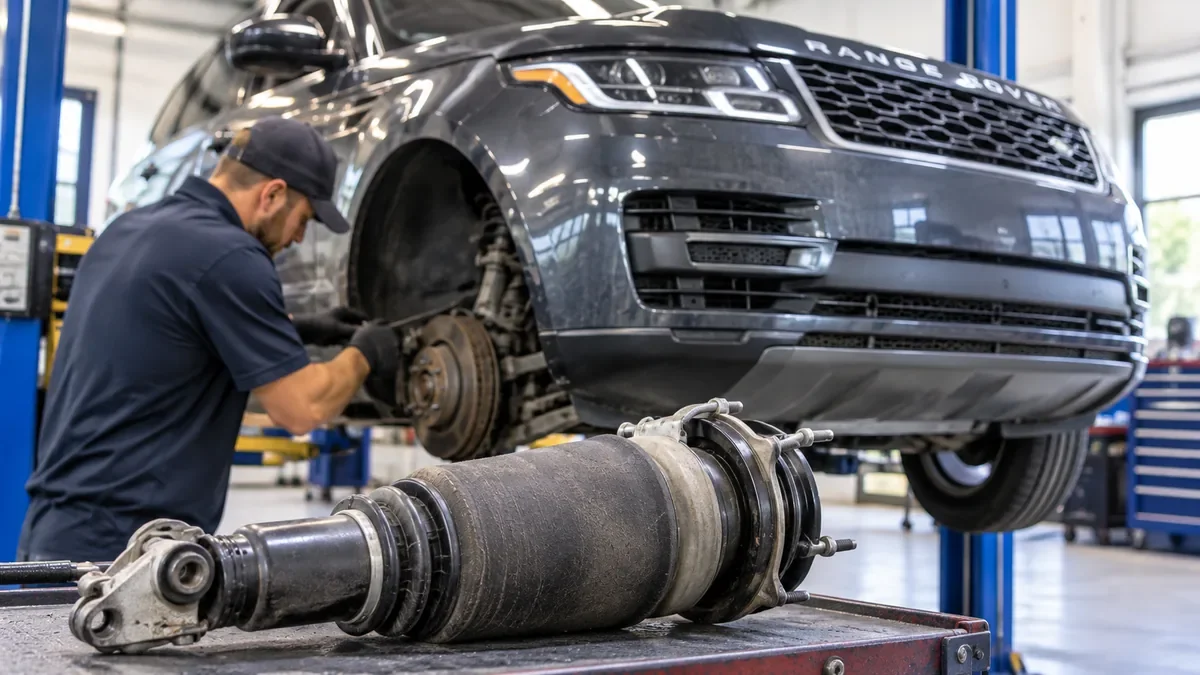
Common Land Rover Air Suspension Problems We See in Peoria
When it's working, Land Rover's air suspension is genuinely impressive. It manages ride height on the fly, irons out rough roads, and handles extra load without much complaint. The catch is that it's a complicated system, and a lot of its parts - rubber seals, mechanical components - don't love the temperature swings we get here. Things wear. Things crack. That's just the reality of it.
Why Does the Air Compressor Fail Over Time?
The air compressor runs constantly to keep pressure where it needs to be. After enough years, they overheat, wear internally, or burn out - especially if there's a leak somewhere else in the system, making it work harder than it should. A lot of times when someone comes in wondering why their vehicle won't hold its ride height through the day, the compressor is what we end up pointing to.
What Causes Air Springs to Leak and Lose Ride Height?
Air springs are reinforced rubber, and rubber doesn't last forever. As it ages, it cracks, develops small holes, or pulls away from its mounting points. Air escapes. The vehicle drops - gradually over hours sometimes, faster if the leak is bad. It's one of the more straightforward problems to understand once you know what's happening. What some owners don't realise is that Range Rover air suspension failure often starts with exactly this - a slow leak that gets ignored until the compressor gives out too.
How Do Faulty Suspension Sensors Affect Performance?
The height sensors are what tell the suspension control module when to add air or let some out. When they go bad or start reading wrong, the system can overcorrect, undercorrect, or throw a warning light when nothing mechanical is actually broken. We've diagnosed plenty of vehicles where a faulty sensor was the whole story - no worn spring, no failing compressor, just bad information going to the module.
Why Is My Land Rover Sitting Unevenly on One Side?
Uneven ride height is hard to miss. Usually it means the problem is isolated - one leaking spring, one bad sensor on a single corner - rather than something wrong with the whole system. Pinpointing it takes real diagnostic work, which is exactly where knowing these systems well makes a difference.
What Makes It Hard to Maintain Proper Suspension Pressure?
Sometimes it's not one thing. Minor leaks, a compressor that's starting to tire out, worn seals - these can stack on top of each other and push the whole system harder than it should be running. That kind of compounded wear tends to accelerate everything else. If you've been searching for Land Rover suspension repair near me, this is the kind of layered problem that makes choosing the right shop matter.
Signs Your Land Rover's Air Suspension Needs Repair
The earlier you bring it in, the better your odds of avoiding a bigger repair bill. Keep an eye out for any of these.
Does Your Vehicle Sit Lower Than Normal?
If it looks lower than usual when parked, or it's noticeably dipping to one side, the system isn't holding pressure properly. That's a clear signal.
Is Your Ride Quality Harsher Than It Used to Be?
Stiffer, bumpier, less controlled - if the ride has changed and you can't explain why, the suspension may not be doing its job of smoothing things out anymore.
Is the Air Suspension Warning Light On?
Don't ignore it. That light means the system has flagged a fault. It won't sort itself out.
Do You Hear Hissing or Leaking Sounds?
Hissing near the wheel wells usually means air is escaping somewhere it shouldn't be. A technician who knows what to listen for can usually track it down quickly during an inspection.
Does Your Vehicle Feel Unstable or Bounce Excessively?
Too much bounce after a bump, or a vague, unsettled feeling while driving - that's the suspension not absorbing movement the way it was built to.
Frequently Asked Questions
How much does Land Rover air suspension repair typically cost?
It depends on what's failed. Replacing one air spring is a very different job - and a very different price - than replacing the compressor. That's why getting the diagnosis right matters before anything else.
Can I keep driving with a bad air suspension system?
We wouldn't. Handling, braking distance, stability - all of it can be affected. That gets more concerning at highway speeds.
Why choose a European specialist over a general repair shop?
Land Rover air suspension systems need specific diagnostic tools and a real working knowledge of how these setups behave. That's not something every shop has. For genuine Land Rover service Peoria owners can rely on, that level of specialization is exactly what sets Arrowhead Imports apart.
Trust Your Land Rover to Peoria's European Vehicle Specialists
Air suspension problems don't get better on their own. The longer you wait, the more likely it is that one issue turns into several. If you've noticed any of the warning signs above, schedule a diagnostic appointment with us. We know these vehicles, and we'll get yours driving the way it should!