Do Mountain Drives to Sedona Wear Out a Porsche's Brakes Faster?
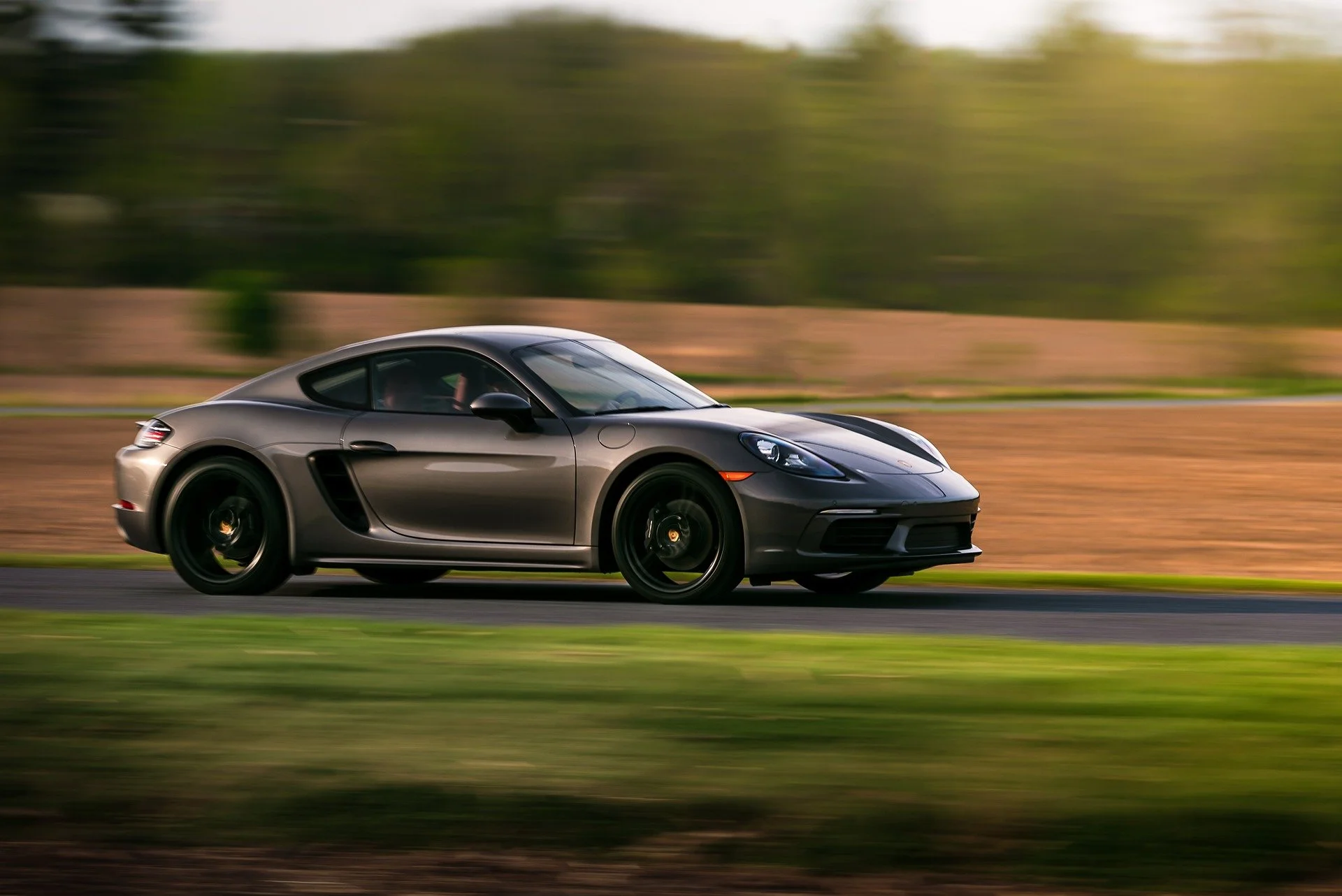
Bring a Porsche back from a weekend loop through Sedona's red rock switchbacks, and there's usually one thing on the owner's mind: was that a brake job waiting to happen? Reasonable thing to wonder. We hear it plenty at Arrowhead Imports - people searching for Porsche brake repair near me after a hard day on the mountain roads. So let's walk through what your brakes actually go through on those roads, and whether Sedona's terrain lives up to the stories drivers tell about it.
Quick answer: mountain driving does demand more from your brakes than a plain highway run. But there's more to it than that, and once you understand how Porsche builds its brakes, you'll have a better sense of how much this should be on your radar.
How Porsche Brake Systems Are Built for Performance
What Makes Porsche's Braking Technology Different
Performance sits at the center of how Porsche designs its cars, and the brakes are no exception. They're made to soak up more heat and stress than the parts you'd find under a run-of-the-mill commuter. Most models roll out with large, ventilated disc brakes that clear heat fast when you start pushing. Move up to the sportier trims, or spec an option like Porsche Ceramic Composite Brakes (PCCB), and you're looking at materials built to shrug off fade even when conditions turn brutal.
Comparing Brake Materials Across Porsche Models
What your rotors are made of shapes how they'll hold up, and the difference is bigger than a lot of owners expect. Steel rotors are the standard fit on most Porsche models. They stop well, they don't cost a fortune to swap out, and they'll serve you fine day to day. The downside shows up with repeated hard use: more dust on the wheels and faster wear on Porsche brake pads and rotor surfaces alike.
Then there are the ceramic composite rotors, reserved for trims like the 911 Turbo and the GT range. They fend off heat, go the distance, and cost a good deal more to replace when the time comes. When we get a car up on the lift after a mountain run, the rotor material tells us early on how worried we ought to be.
Why Mountain Driving Puts Extra Stress on Your Brakes
The Physics Behind Steep Descents and Frequent Braking
Stopping on flat pavement isn't the same task as controlling a car down a grade. Heading downhill, your brakes are working against gravity the whole way, keeping speed in check rather than just bringing you to a halt at a light. All that steady engagement throws off far more heat than the stop-start shuffle of town driving. And heat is the thing that eats brakes alive.
The Factors That Accelerate Brake Wear on Mountain Roads
On a mountain drive, a handful of factors stack up:
Sustained heat breaks down brake fluid quicker, and when it gets bad enough, you'll feel fade set in - that soft pedal that creeps up the longer you're at it.
Tight curves mean hard braking over and over, which wears pad material down faster than the easy, gradual slowing you'd do on a flat highway.
Constant speed changes add friction on top of everything else.
Put those together and the wear piles on quicker than daily driving would ever manage.
What Makes Sedona's Roads a Unique Case
Sedona has its own flavor of challenge. Highway 89A through Oak Creek Canyon is a good example: steep grades, switchbacks stacked one after another, and elevation changes that keep your foot busy on the brake. Layer in a summer afternoon's heat and you've got conditions that put Porsche brakes through more strain than most commutes ever will.
So, Does a Sedona Drive Actually Wear Brakes Faster?
Comparing Mountain Driving to Highway Miles
Put a mountain-driven car next to one that mostly cruises the interstate, and the wear difference is plain to see. Highway miles are long, steady, and light on the pedal. Mountain roads keep you modulating speed constantly. Cars that make a habit of routes like Oak Creek Canyon come in for new pads sooner, plain and simple.
Why Your Driving Style Matters as Much as the Terrain
Now for the part that surprises people. Two owners can drive the exact same Sedona route and end up with completely different wear, and how they drive is usually the reason. Read the curves early, brake gently, and you go easy on the whole system. Wait too long and stand on the pedal, and it'll cost you. If Sedona's mountains are part of your routine, changing how you take those descents can genuinely stretch out the life of your brakes.
Getting the Most Out of Your Porsche's Brakes
Running Sedona's roads on the regular? Get the brakes looked at more often than the factory schedule suggests. Catching a thinning pad or tired fluid early means heading off the bigger, pricier Porsche brake repair bills later, and it keeps your Porsche stopping the way it was meant to.
Frequently Asked Questions
How often should I have my brakes inspected if I drive through Sedona regularly?
If mountain routes are a regular thing for you, go for an inspection every 5,000 to 7,500 miles rather than waiting for the usual 12,000-mile mark that works fine for mostly highway driving.
Does ceramic composite braking reduce the impact of mountain driving?
Yes. Ceramic composite brakes handle heat better than standard steel rotors, so they hold up against fade on long descents. Just know that replacing them costs more.
Can I do anything while driving to reduce brake wear on mountain roads?
Brake earlier and ease into it, rather than jumping on the pedal late into a corner. That alone takes a lot of the heat and friction off your brakes on the way down.