How Long Does a Mercedes Benz Battery Last?
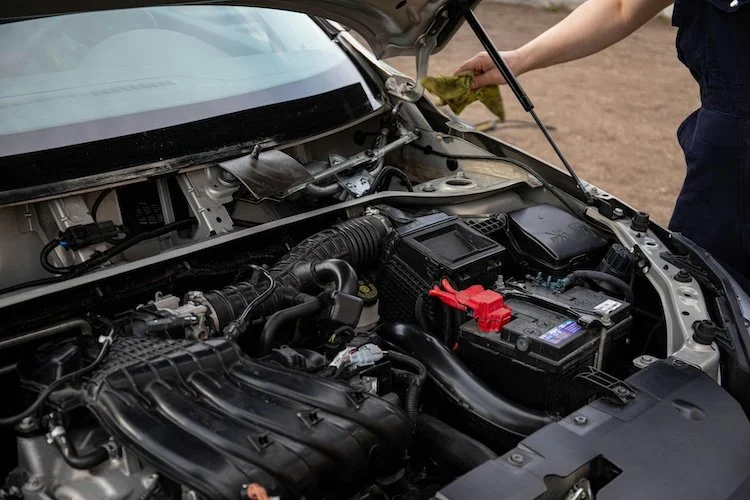
Whether you've just bought a Mercedes-Benz or you're considering one, understanding how long the battery lasts - and what affects its lifespan - can save you from an unexpected breakdown. If you're based in the Peoria area, the team at Mercedes-Benz of Arrowhead in Peoria AZ, can help you stay on top of battery health before it becomes a problem. This guide covers everything Mercedes-Benz owners need to know about battery life, maintenance, and replacement.
What Type of Battery Does a Mercedes-Benz Use?
Most modern Mercedes-Benz vehicles use an AGM (Absorbent Glass Mat) battery rather than a standard flooded lead-acid battery. AGM batteries are required because Mercedes vehicles place high electrical demands on the battery - systems like Start-Stop technology, active suspension, multiple ECUs, and advanced infotainment all draw power simultaneously.
Replacing an AGM battery with a standard lead-acid unit will cause problems. The charging system is calibrated specifically for AGM technology, and fitting the wrong battery type leads to premature failure and potential electrical faults across multiple systems. Always confirm the correct battery specification for your specific model before purchasing a replacement.
How Long Does a Mercedes-Benz Battery Last?
The average Mercedes-Benz battery lasts between three and five years, depending on usage, maintenance, and climate. Vehicles that are driven regularly and cover longer distances tend to get more life from their batteries due to consistent charging cycles. Cars that sit unused for extended periods drain the battery without adequately recharging it, which shortens lifespan over time.
Diesel models and older non-AGM Mercedes vehicles may have slightly different battery life expectations. If you are unsure which battery type your specific model uses, check your owner's manual or speak to a Mercedes specialist before replacing it.
How Peoria's Heat Affects Your Mercedes-Benz Battery
Most people associate battery failure with cold weather, but heat is actually harder on car batteries than cold. In Peoria, AZ, extreme summer temperatures accelerate the chemical reactions inside the battery, causing it to discharge faster and wear out sooner than it would in a cooler climate.
Mercedes-Benz AGM batteries in the Arizona desert often need replacing closer to the three-year mark rather than the five-year upper limit. If your battery is approaching three years old and you've experienced a Peoria summer, it's worth having it load-tested before it fails unexpectedly - ideally before the hottest months of the year.
Signs Your Mercedes-Benz Battery Needs Replacing
Watch for these warning signs that your battery is approaching the end of its life:
Slow or labored engine crank on startup
Electrical systems behaving erratically - windows, mirrors, or infotainment resetting unexpectedly
Battery warning light appearing on the dashboard
Car struggles to start after sitting unused for a few days
Headlights dimming noticeably at idle
Battery is more than four years old and failing a load test
If you notice more than one of these symptoms together, have the battery tested as soon as possible. A failing battery puts additional strain on the alternator, which can turn a straightforward battery replacement into a more expensive repair.
Mercedes-Benz Battery Maintenance Tips
Following these steps will help you get the most life from your Mercedes-Benz battery:
Clean Terminals - Keep the battery terminals clean and free from corrosion. Use a battery terminal cleaner or a mixture of baking soda and water to remove any buildup. Corrosion increases resistance and reduces charging efficiency.
Check Charging System - Check your car's charging system regularly. A faulty alternator will undercharge the battery and shorten its life regardless of how new it is.
Maintain Voltage - Make sure the battery is getting the correct voltage. Most Mercedes AGM batteries require a charging voltage of 14.4 to 14.8 volts. If the voltage drops consistently below this, have the charging system inspected.
Drive Regularly - Drive your Mercedes regularly. Short trips that don't allow the battery to fully recharge are harder on battery life than longer drives. If the car sits unused for more than two weeks, consider using a compatible trickle charger to maintain the charge level.
Avoid Heat - Keep the battery away from excessive heat where possible. In Peoria's climate, parking in shade or a garage during summer makes a measurable difference to battery longevity.
Annual Testing - Have the battery tested annually once it passes three years old. A load test takes a few minutes and tells you whether the battery still has sufficient capacity or is approaching failure.
Note: Mercedes-Benz AGM batteries are sealed and maintenance-free. Do not attempt to open the battery casing or add water - AGM batteries do not have accessible cells and attempting to add water will damage them.
The Battery Registration Requirement
This is the most important Mercedes-specific fact about battery replacement that most people don't know about - and skipping it is the most common mistake we see.
When replacing the battery on most post-2005 Mercedes-Benz models, the new battery must be registered to the car's ECU using a compatible diagnostic tool. Without this registration step, the alternator continues charging at the rate set for the old battery. This means the new battery is either overcharged or undercharged from day one, which significantly shortens its life and can cause electrical faults across multiple systems.
Battery registration is not optional on most modern Mercedes models. It requires a compatible diagnostic tool - it cannot be done by simply disconnecting and reconnecting the battery or through any manual procedure. If you are replacing your Mercedes battery yourself, make sure you have access to the correct diagnostic equipment, or have the registration performed by a specialist after fitting.
Electric Vs Petrol Battery - What's the Difference?
It's worth clarifying that Mercedes-Benz vehicles actually contain more than one type of battery, and they are very different from each other.
The 12V auxiliary battery is what this guide has been discussing throughout. It powers the car's electrical systems - the starter motor, lights, infotainment, and ECUs. This is the battery that lasts three to five years and needs replacing through normal ownership.
The high-voltage traction battery is found only in hybrid and fully electric Mercedes-Benz models such as the EQC, EQS, and plug-in hybrid variants. This battery powers the electric drivetrain and is a completely separate, much larger, and far more expensive component. High-voltage traction batteries are designed to last significantly longer than a 12V battery - typically ten years or more - and are warranted separately by Mercedes-Benz. They require specialist equipment and training to service and should never be confused with the standard 12V battery replacement discussed in this guide.
If you own a hybrid or electric Mercedes and have questions about your traction battery specifically, speak to a qualified specialist rather than treating it as a standard battery replacement job.
What Our Peoria Technicians See
At Arrowhead Imports, battery-related issues are among the most common service calls we receive on Mercedes-Benz vehicles. The most frequent mistake we see is owners replacing the battery themselves with a standard lead-acid unit from an auto parts store without registering it to the ECU. The car runs fine initially, but within six to twelve months the battery fails prematurely because the charging system was never recalibrated for the new unit.
The second most common issue is batteries failing earlier than expected due to Peoria's heat. We regularly see three-year-old batteries that have already lost significant capacity - something that wouldn't happen as quickly in a cooler climate. If your Mercedes is approaching its third summer in Arizona, a battery load test is a worthwhile precaution.
By working with a reliable independent auto repair specialist in Peoria, AZ like Arrowhead Imports, you can make sure the right battery is fitted, registered correctly, and tested before any issues develop. Book a battery check here.
Related Post
Can Any Mechanic Work on a BMW?
How to Reset Mercedes Computer After a Battery Change
Frequently Asked Questions
How Long Does A Mercedes-Benz Battery Last?
The average lifespan is three to five years, depending on usage, maintenance, and climate. In hot climates like Peoria, AZ, batteries tend to wear out closer to the three-year mark due to heat accelerating internal battery degradation.
How Do I Know When My Mercedes Battery Needs Replacing?
Common signs include slow engine cranking, erratic electrical systems, a battery warning light, and difficulty starting after the car has sat unused. Once the battery is over three years old, annual load testing is the most reliable way to monitor its condition before it fails.
Does Mercedes-Benz Use A Special Battery?
Yes. Most modern Mercedes-Benz vehicles require an AGM (Absorbent Glass Mat) battery rather than a standard flooded lead-acid battery. Fitting the wrong battery type causes charging system problems and premature battery failure. Always confirm the correct specification before purchasing a replacement.
Do I Need To Register A New Battery On A Mercedes-Benz?
Yes, on most post-2005 models. Battery registration tells the ECU that a new battery has been fitted so the alternator can recalibrate its charging rate accordingly. Skipping this step is one of the most common causes of premature battery failure after a DIY replacement.
How Much Does A Mercedes-Benz Battery Replacement Cost?
A Mercedes-Benz AGM battery typically costs between $250 and $500 for the battery itself. Professional battery registration adds $50 to $150 on top of that. While more expensive than a standard car battery replacement, fitting the correct battery and registering it properly avoids the cost of a second replacement six to twelve months later.