How Long Does a Car Battery Last Usually?
You turn the key or press the ignition button, and nothing happens. It's a scenario every driver dreads, and it usually happens at the worst possible time. Car batteries rarely get a second thought until that moment, even though they're doing constant work every time you drive. If you're in the Peoria area and want a real answer for your specific vehicle, Arrowhead Mercedes in Peoria, AZ can test your battery in a few minutes rather than leaving you to guess.
Not driving a Mercedes? The same testing and replacement process applies across makes, and Peoria auto repair services are just as available for whatever you're driving.
The Short Answer
Most car batteries last three to five years, though that range shifts quite a bit depending on the battery type, your climate, and how the car gets driven. That three-to-five-year window isn't a hard rule, some batteries fail at two years, others keep going past ten, but it's a reasonable starting point for budgeting a replacement rather than waiting for a dead battery to force the issue.
It Depends Heavily on Battery Type
Not all car batteries are built the same, and the type under your hood changes the math considerably.
Standard flooded lead-acid batteries are the most common type and typically last three to five years. They're the baseline most of those averages are built around.
AGM (Absorbent Glass Mat) batteries are sealed, more durable, and generally last four to seven years. They're increasingly standard on vehicles with start-stop technology and higher electrical demands, since they handle the frequent charge cycling better than a flooded battery can.
EFB (Enhanced Flooded Batteries) sit between the two, more durable and longer-lasting than a standard flooded battery, though not quite matching AGM performance, at a lower cost than AGM.
Lithium-ion batteries, used in hybrids and EVs for the main power system rather than the 12-volt accessory battery, can last eight to fifteen years or more, a very different lifespan conversation than the standard automotive battery most people are asking about.
Using the wrong battery type for your vehicle isn't just a compatibility issue either, it can genuinely shorten the life of both the battery and the charging system built around it. This matters most on European vehicles: fit a standard battery where an AGM is required and the battery registration process that's supposed to follow won't fix a mismatch that shouldn't have happened in the first place.
Heat Is Actually Worse Than Cold
Most people assume winter is what kills car batteries, and cold weather does reduce a battery's cranking power in the moment. But heat is the bigger long-term threat to battery life. High temperatures accelerate the internal chemical reactions that wear a battery down, which is exactly why batteries in hot climates tend to have shorter lifespans than the same battery in a milder one. It's a big enough factor that Mercedes-Benz battery life in Peoria often runs closer to three years than the full five, purely because of what a desert summer does to the chemistry inside. Parking in shade or a garage when possible, rather than leaving a car baking in direct sun for hours, meaningfully slows that wear over time.
Why Batteries Die Even When the Car Isn't Driven
A car doesn't need to be running to draw power from its battery. Alarm systems, clocks, onboard computers, and various modules all pull a small, constant amount of current, called parasitic draw, even with the engine off. Under normal driving, the alternator replaces what's lost easily enough. But a car that sits parked for several weeks without being driven can lose enough charge that the battery struggles to start the engine when you finally need it to. If you've ever dealt with a car that just replaced its battery and still wouldn't start, a deeper electrical issue is often the real cause rather than the new battery itself being defective.
Signs Your Battery Is Nearing the End
A dying battery usually gives some warning before it fails outright:
Slower engine cranking than usual, especially on cold mornings
Dashboard lights or interior lights that seem dimmer than normal
Headlights or cabin lights flickering shortly after startup
The car losing radio presets, clock settings, or Bluetooth pairings after being started
Visible corrosion, a white or bluish crust, on the battery terminals
The battery case itself looking swollen or bulged at the sides
Any single symptom could point to something else, but two or more together usually mean it's time to have the battery tested rather than wait for it to fail completely.
Corrosion Is a Bigger Deal Than It Looks
Corrosion buildup on the battery terminals increases electrical resistance, which forces the battery to work harder just to deliver the same amount of power. Left alone, that extra strain shortens the battery's usable life and can eventually prevent the car from starting at all, even with a battery that still has plenty of life left in it otherwise. Cleaning the terminals periodically, or having it done as part of a routine service, is a small task that genuinely extends how long a battery lasts.
Battery Care Looks Different on European Vehicles
Many European models, Mercedes-Benz included, use AGM batteries paired with a battery management system that has to be told electronically when a new battery has been installed. Skip that step and the charging system keeps charging at the rate set for the old battery, which shortens the new one's life dramatically, sometimes within months rather than years. If you've had a battery replaced recently and aren't sure this step was done correctly, it's worth having a specialist confirm the registration was completed before assuming a fresh battery is the end of the story.
Aftermarket electrical additions complicate this further. Something as simple as upgrading a car audio system can put more demand on a standard battery than it was ever designed to handle, accelerating wear well ahead of the typical timeline.
Many Mercedes-Benz models also run a second, smaller battery alongside the main one. If you're noticing accessories acting up or the start-stop system dropping out, auxiliary battery charging works differently enough from a standard battery swap that it's worth understanding before assuming the main battery is at fault.
How to Get More Life Out of Your Battery
A few habits genuinely extend a battery's usable years:
Drive regularly enough that the alternator has a chance to fully recharge the battery, rather than relying on short trips exclusively
Park in shade or a garage during extreme heat whenever it's practical
Keep terminals clean and connections tight
Have the battery tested annually once it passes the three-year mark, rather than waiting for a failure
None of these guarantee a specific lifespan, but together they push a battery toward the longer end of its realistic range instead of the shorter one.
When to Have It Tested
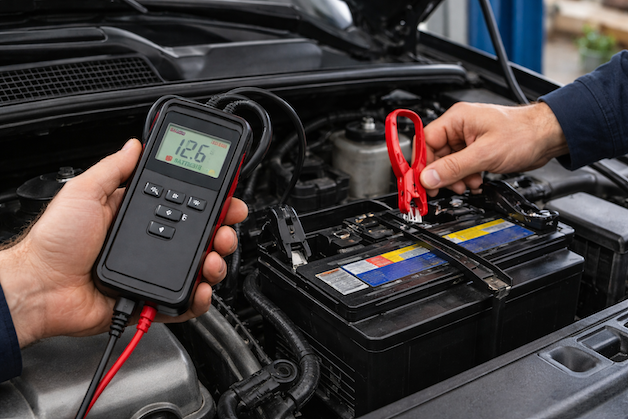
If your battery is past three years old, or you're noticing any of the warning signs above, a load test takes just a few minutes and gives a clear answer rather than a guess. It's worth pairing that test with other routine maintenance visits so it doesn't get forgotten between oil changes and inspections.
Frequently Asked Questions
How Long Does A Car Battery Usually Last?
Most car batteries last three to five years, though AGM batteries often reach four to seven years and lithium-ion batteries used in hybrids and EVs can last eight to fifteen years or more. Climate, battery type, and driving habits all affect where a specific battery falls in that range.
Does Hot Weather Really Shorten Battery Life More Than Cold?
Yes. Cold weather temporarily reduces a battery's cranking power, but heat causes more long-term chemical wear inside the battery. Vehicles in consistently hot climates tend to see shorter average battery lifespans than the same battery would have in a milder region.
What Are The Warning Signs Of A Dying Car Battery?
Slow engine cranking, dim or flickering lights, the car losing radio and clock settings after starting, visible corrosion on the terminals, and a swollen battery case are the most common warning signs. Any two of these appearing together usually means the battery is worth testing soon.
Can A Car Battery Die Just From Sitting Unused?
Yes. Alarm systems, clocks, and onboard computers draw a small amount of power even when the car is off, known as parasitic draw. A car left unused for several weeks can lose enough charge that the battery struggles to start the engine, even if the battery itself is otherwise healthy.
Do European Cars Need A Different Kind Of Battery Care?
Often, yes. Many European vehicles, including Mercedes-Benz models, use AGM batteries paired with an electronic battery management system that needs to be updated after a replacement. Skipping that registration step can shorten a new battery's life significantly, sometimes within just a few months.