How Much Does a Mini Cooper Weigh?
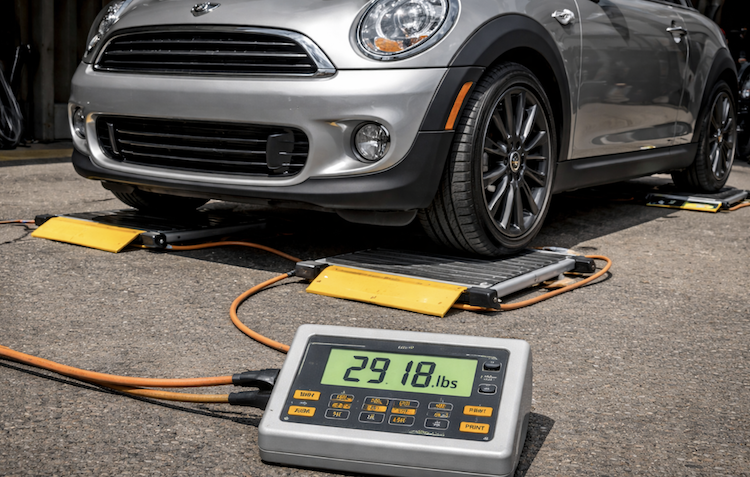
When shopping for a new car, weight is one of the most overlooked specs - yet it affects everything from fuel economy to how the car feels around corners. If you're considering a Mini Cooper, understanding its curb weight helps you make a smarter buying decision and set realistic expectations for long-term ownership. Here's everything you need to know about Mini Cooper's weight across all models.
Mini Cooper Weight by Model - Full Breakdown
Mini Cooper curb weight varies significantly depending on the model, transmission, and trim level. Here are the current figures based on recent Mini models specifications:
| Model | Transmission | Curb Weight |
|---|---|---|
| Mini Cooper 3-Door | Manual | 2,557–2,855 lbs |
| Mini Cooper 3-Door | Automatic | 2,755–3,014 lbs |
| Mini Cooper 5-Door | Manual | 2,846–2,936 lbs |
| Mini Cooper 5-Door | Automatic | 2,656–2,921 lbs |
| Mini Cooper Convertible | Automatic | 3,208 lbs |
| Mini Clubman | Manual | 2,690–3,200 lbs |
| Mini Clubman | Automatic | 3,250–3,373 lbs |
| Mini Countryman | Automatic | 3,465–3,825lbs |
| Mini Paceman | Manual | 2,844–3,210 lbs |
Approximate curb weight ranges based on recent Mini models and typical configurations. Weight varies by trim level and optional features — confirm exact figures with your dealer before purchase.
What Affects a Mini Cooper's Weight?
If you're in the market for a Peoria Mini Cooper, you should know that the average weight of a Mini Cooper depends on the model. The average weight of the three-door Mini Cooper, for example, is lighter than the five-door models. Here are some factors that affect the weight of a Mini Cooper:
Transmission - Contrary to what most people assume, automatic Mini Cooper models are typically heavier than their manual counterparts due to the additional components in the gearbox.
Engine Size - Larger engines add mass. The John Cooper Works (JCW) variants with performance engines weigh more than base Cooper models.
Model Generation - Newer Mini Cooper generations have changed in weight over the years as BMW introduced new platforms, materials, and technology. The F-series (2014–present) models are generally heavier than the R-series they replaced.
Optional Extras - A panoramic sunroof, larger alloy wheels, or an upgraded sound system all add pounds. Buyers who tick every options box can add 50–100 lbs over the base spec.
How Does Mini Cooper Weight Compare to Similar Cars?
To put the Mini Cooper's weight in context:
| Vehicle | Curb Weight (Auto) |
|---|---|
| Mini Cooper 3-Door | 2,755–3,014 lbs |
| Honda Civic | 2,877–3,218 lbs |
| Toyota Corolla | 2,955–3,150 lbs |
| Honda Accord | 3,239–3,532 lbs |
| VW Golf | 3,009–3,296 lbs |
| BMW 2 Series | 3,351–3,680 lbs |
The Mini Cooper 3-Door is noticeably lighter than most compact sedans and even lighter than its BMW sibling, the 2 Series. That weight advantage is a big part of why the Mini feels so nimble and responsive despite not having the most powerful engine in its class.
Why Does Weight Matter When Buying a Car?
Weight directly affects three things most buyers care about:
Performance - A lighter car accelerates faster and brakes in a shorter distance with the same amount of power and braking force. The Mini Cooper's low curb weight is a big reason it punches above its weight class in handling feel.
Fuel Efficiency - Less mass means the engine works less hard to maintain speed. The Mini Cooper's lightweight build contributes to its respectable fuel economy, especially in the manual 3-door variant.
Resale Value - Lighter, smaller cars tend to hold value well in markets where fuel prices fluctuate. The Mini Cooper has consistently strong resale value partly because of its efficiency and low running costs.
How Mini Cooper Weight Affects Maintenance - What Our Technicians See
At Arrowhead Imports, we service Mini Coopers regularly at our Peoria shop, and the weight of the vehicle directly influences the kind of maintenance issues we see:
Brakes last longer - Compared to heavier vehicles like SUVs, Mini Cooper brake pads and rotors experience significantly less stress under normal driving. Most Mini Cooper owners in our shop get 40,000–50,000 miles out of a set of front brake pads.
Tires wear differently - The Mini Cooper's sport-tuned suspension puts the weight load at specific contact points on the tire. If the car is frequently loaded near its max payload or the alignment drifts, you'll see uneven wear on the inner or outer edges faster than on a heavier, softer-suspended car.
Suspension components - The Mini's stiff, sporty suspension setup compensates for its light weight to deliver that go-kart feel. But it also means suspension bushings and control arm components can wear if the car is driven hard or hits potholes regularly. If you notice a clunking noise or the car pulling to one side, it's worth having the suspension inspected.
If you're experiencing any of these issues with your Mini Cooper in Peoria, our team can diagnose and fix them quickly — book a service appointment here.
Mini Cooper Weight vs. Payload Capacity - What Can It Carry?
Curb weight is just one number. Just as important is how much the Mini Cooper can carry - its payload capacity.
The Mini Cooper has a gross vehicle weight rating (GVWR) of approximately 3,285–4,100 lbs, depending on model. Subtract the curb weight from the GVWR, and you get the payload capacity - typically around 500–700 lbs for most Mini Cooper variants. That covers passengers and cargo combined.
Practically speaking, a fully loaded Mini Cooper 3-Door with two adults, luggage, and groceries will be near its payload limit. This is worth knowing if you regularly carry heavy loads or are considering a roof rack setup.
Is the Mini Cooper the Right Weight for You?
The Mini Cooper hits a sweet spot for drivers who want a lightweight, fuel-efficient, fun-to-drive car without going full subcompact. It's heavier than a Mazda MX-5 Miata but lighter than almost every compact sedan - and that balance shows in how it drives.
If you're deciding between the 3-door, 5-door, Clubman, or Countryman, weight is a meaningful differentiator. The 3-door is the lightest and most agile. The Countryman, while heavier, offers more practicality without straying too far into SUV territory.
If you're based in Peoria, AZ, and want an honest conversation about which Mini Cooper variant makes sense for your lifestyle - or if your current Mini needs a service - the team at Arrowhead Imports is here to help. Get in touch here.
Source:
Competitor weights sourced from MotorTrend vehicle specifications. Figures are approximate and may vary by year and trim.
Frequently Asked Questions
How Much Does A Mini Cooper Weigh In kg?
The Mini Cooper 3-Door weighs approximately 1,230–1,250 kg. The heavier Countryman comes in around 1,570 kg.
Is A Mini Cooper Considered A Lightweight Car?
Yes. At around 2,700 lbs for the base 3-door, it's lighter than most compact sedans and significantly lighter than crossovers and SUVs.
Does The Mini Cooper's Weight Affect Insurance Costs?
Lighter cars are generally cheaper to insure for collision coverage since repair costs tend to be lower. However, insurance rates depend on many factors beyond just weight.
How Does The John Cooper Works Model Compare In Weight?
The JCW 3-Door weighs around 2,800 lbs - slightly heavier than the base Cooper due to its performance engine and upgraded brakes, but still lighter than most competing hot hatches.
Does Adding A Roof Rack Affect Mini Cooper Performance?
Yes. A loaded roof rack adds weight above the car's center of gravity, which can noticeably affect handling and stability, especially at highway speeds. Mini recommends a maximum roof load of around 165 lbs.