How Do You Repair Leather Car Seats? Key Tips
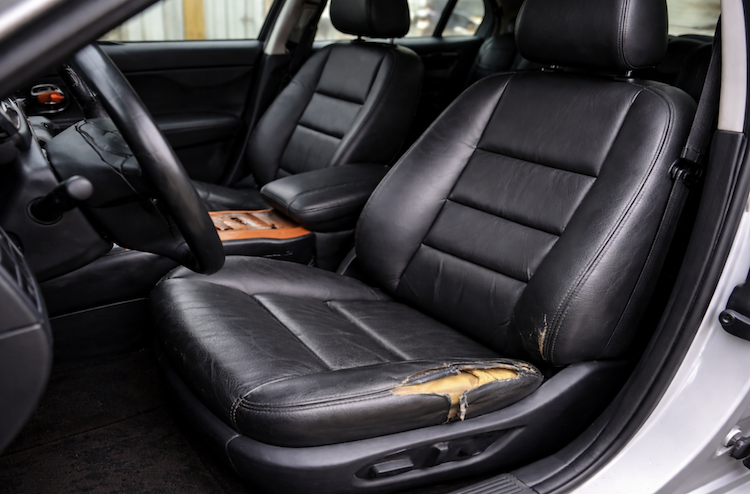
Having leather car seats is one luxury that you can enjoy with any car, but at the same time, there’s always a risk of damage, especially after some time has passed. Some of the most common problems that you are likely to face with your leather car seats include cracks, tears, and fading of your car seats. However, the good news is that these problems are very easy to repair with proper guidance.
With a Land Rover mechanic in Peoria AZ, for example, you’ll get advice on taking certain steps to keep your leather car seats in top condition. In the following sections of this article, our team at Arrowhead Imports is going to discuss some of the most important aspects that you need to follow when you want to repair your leather car seats!
Assess the Damage First
The very first step that you need to take when you want to repair your leather car seats involves assessing the damage and then finding out what you are getting into. If you’re wondering how to repair leather car seats, keep in mind that different kinds of damage may require different levels of repair, and assessing your car seats will be a great way to find out whether you are comfortable repairing your car seats or not.
Clean and Prepare the Surface
It is very important that you clean your leather car seats before you proceed with the repair work, and for that, you are going to require a cleaner that is specifically used for leather car seats. The kind of cleaner that you are going to require for this purpose should be applied gently on your leather car seats, and after you are done with that, you should let them dry before you proceed with the next step.
For tears and cracks, you would need to apply leather filler on the concerned area. After doing that, you would need to smooth it out using a spatula or something similar. If you're looking to repair a ripped leather car seat, these steps are essential for a smooth and lasting fix.
Next, it’s a good idea to sand it to ensure that the area is as smooth as possible. Also, you want to ensure that you have the correct color to go along with your car’s leather seats. Most repair kits contain different shades of leather colors. It is very likely that you may need to mix two or more shades of colors to ensure that you have the correct color to go along with your car’s seats.
Before you actually apply the repair kit on the concerned area of your car’s leather seats, it is a good idea to test it out on a part of the seat that will not be easily noticeable. Once you are comfortable with the color, you can apply it on the affected area of your car’s leather seats using a sponge or a brush.
Condition and Protect
The final step will be to condition your car’s leather seats. This will ensure that moisture is restored to your car’s leather seats. If you want lasting results, choosing the right leather car seat repair conditioner is crucial. A good quality conditioner will ensure that the leather seats are not cracked. Even if you don’t see damage, it’s ideal to perform this task every few months. If you live in a warm climate, think about parking in the shade and investing in a cover.
Know When to Call the Professionals
Sadly, there are some cases where the damage is too serious, and the best thing to do is to seek professional help. For example, if you need to repair a tear in a leather car seat that is extensive or in a difficult area, it's usually safer to let a professional handle it. This includes tears, serious damage, and car seats with many problem areas. We have seen cases where people have attempted to repair the leather seats of their cars but ended up making the condition worse. We are always here to help you at Arrowhead Imports, and we’ll either provide the help you need or provide recommendations to help you find a solution!
Also Read:
Car Seat Expiration: How Long Are Car Seats Good For?