Future Cars in 2050: What to Expect from Technology, Design, and Performance
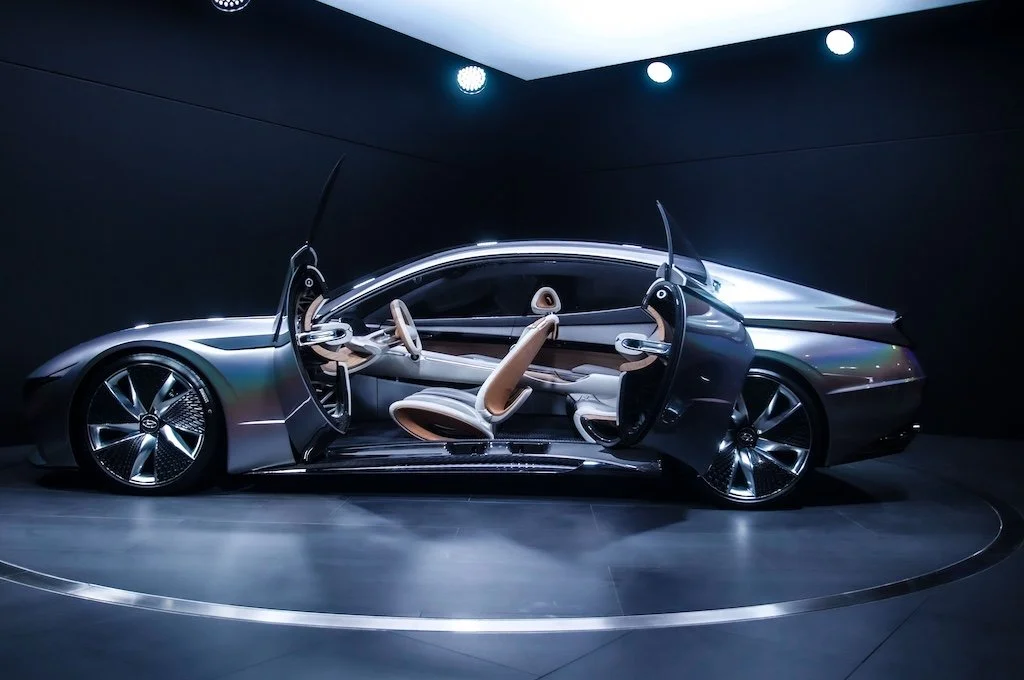
The cars rolling into our bays today would baffle a mechanic from the 1990s. And by 2050? The gap gets wider still. We spend our days working on vehicles here in Peoria, Arizona - we’re passionate about European car repair at Arrowhead Imports - so we pay close attention to where things are headed and what that shift means for the people who actually drive these cars. Here's how we see the next few decades playing out.
How Technology Will Reshape the Way We Drive by 2050
Autonomous Driving Systems Will Prioritize Safety Over Speed
Self-driving tech is moving fast. By 2050, fully autonomous vehicles should be the norm rather than the novelty. They'll lean on layered sensor arrays, live mapping, and AI that makes split-second decisions in messy, unpredictable traffic. That matters a lot here. Between our tangle of freeway on-ramps and desert heat that punishes everything electronic, autonomous systems will have to stay sharp across brutal temperatures and traffic that changes by the second.
AI-Powered In-Car Intelligence Will Customize Every Ride
Your future car will get to know you. It'll pick up on your habits, tweak the cabin settings on its own, and sort out little details before you think to ask. Picture a route that reroutes around bad air quality, or a seat that quietly adjusts your lumbar support halfway through a long drive. When you think about it…what will cars look like in 2050? This kind of seamless, personalized experience is a big part of the answer. Cars will start to feel less like appliances and more like part of your daily routine.
Electric and Hydrogen Powertrains Will Become the New Standard
The gas engine, at least the way we know it now, is on its way out. By 2050, electric and hydrogen fuel cell powertrains are expected to run the show. For folks across the Phoenix metro - long commutes, summers that drain a battery just sitting in a parking lot - hydrogen has real appeal. You get refueling that's about as quick as a gas stop, minus the tailpipe.
Cybersecurity Will Become as Critical as Mechanical Safety
A car that's fully connected is also a car that's fully exposed. Once vehicles become rolling computers talking to smart infrastructure, the door opens for cyberattacks too. We think cybersecurity checks will just be part of a normal service visit by 2050 - and for anyone curious about the most futuristic cars already hitting the market, this kind of built-in digital protection is already becoming standard. It's something our team here in Peoria is already starting to think through.
How Vehicle Design Will Evolve Between Now and 2050
Aerodynamic Innovations Will Cut Energy Consumption Dramatically
Drag is efficiency's worst enemy, and manufacturers know it. Expect bodywork sculpted to cut through the air with as little resistance as possible - flush door handles, covered wheel wells, and active panels that shift shape depending on how fast you're going. When people picture cars in the future (2050), this kind of aerodynamic precision is usually part of the image. The end result looks sleeker and more of a piece than anything on the road today.
The Traditional Dashboard Is Being Replaced by Augmented Reality Interfaces
When the car drives itself, the old dashboard loses its job. There's no reason to stare at gauges you don't need to read anymore, and suddenly the interior has room to breathe. Augmented reality windshields and holographic displays will float navigation, hazard warnings, and vehicle data right into your line of sight. Cabins will feel closer to a living room than a cockpit.
Sustainable Materials Will Define How Cars Are Built
Recycled aluminum, plant-based composites, bio-derived plastics - you already see these in concept cars. By 2050, they won't be a selling point; they'll just be how cars get made. And here's the part we like as a repair shop: this trend leans toward modular, repairable parts. That's genuinely good news for how long a vehicle can last.
What Performance Will Look Like in the Cars of 2050
Battery and Motor Advances Will Push Range Beyond 500 Miles Per Charge
Range anxiety - the nagging worry about running out of charge - is one of the biggest reasons people hesitate on EVs today. That fades by 2050. Solid-state batteries and better motors are projected to push range well past 500 miles on a single charge. If you've been wondering about future cars in 2050 and whether they'll actually be practical for long drives, the answer is yes - heading up to Flagstaff or making the Vegas run will be a different experience entirely.
Environmental Performance Will Drive Purchase Decisions More Than Horsepower
What buyers brag about is shifting. Carbon footprint per mile, lifecycle emissions, recyclability scores - these are creeping into the conversation right alongside zero-to-sixty times. We'd bet that by 2050, a car's environmental numbers will carry the weight horsepower does now.
Frequently Asked Questions
Will Auto Repair Shops Still Be Relevant In 2050?
Yes! Powertrains and software will change plenty, but cars still need hands-on care - suspension work, tires, brakes, and more software diagnostics than ever. Shops that keep training their people and updating their tools will stay essential.
How Will Extreme Heat In Arizona Affect Electric Vehicles By 2050?
Better than you'd expect. Battery thermal management keeps improving, and by 2050 EVs could shrug off Arizona summers - even the kind that make you wonder…will there be flying cars in 2050? - before you wonder if your battery will survive the afternoon - with active cooling that holds a steady battery temperature even at 115°F.
Will Hydrogen Vehicles Require Different Servicing Than Electric Vehicles?
They will! Hydrogen fuel cell vehicles use pressurized fuel systems, which means specialized training and strict safety steps. We're keeping a close eye on this so we're ready to service both as they show up locally.
What This Means for Drivers Choosing a Repair Shop Today
The road to 2050 already started. Every car in our bay carries more software than the one before it, and that's not slowing down. Our advice is simple: stay curious, take care of the vehicle you've got, and pick a shop that keeps growing with the technology. That's exactly what we're doing at Arrowhead Imports - so whatever rolls in come 2050, we'll be ready for it.