Do BMWs Require Premium Gas? What Happens If You Don't Use It?
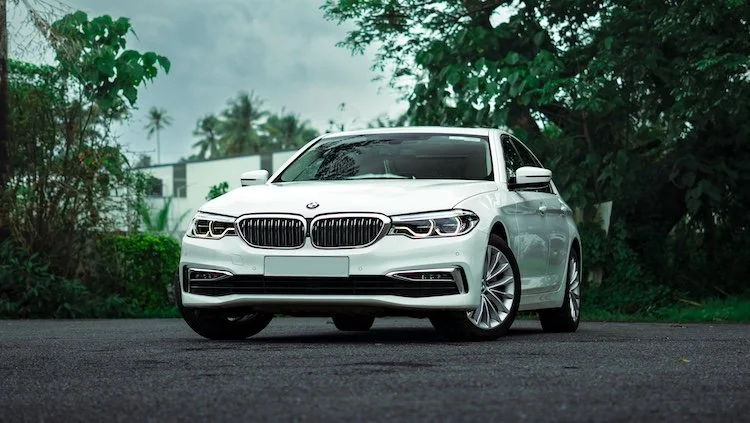
Owning a BMW comes with a particular feeling. There's the precision, the polish, the sense that the car was built by people who cared about every detail. Then you pull up to the pump, spot that little sticker inside the fuel door asking for premium, and notice the price gap between regular and premium. Suddenly a question surfaces. Drivers ask us this one often at Arrowhead Imports: do BMWs require premium gas, or do you really need to spend the extra money?
Our shop works mostly on high-performance European cars, so we hear it often. And honestly, the temptation to grab the cheaper handle makes sense, especially when prices climb. But your choice at the pump affects how the car drives, how long the parts inside hold up, and what you'll pay in repairs down the line. So let's go through why BMW asks for premium, and what's actually happening under the hood when you don't give it.
Understanding BMW Fuel Recommendations and Engine Design
Most BMWs built today want premium fuel. That means an octane rating of 91 or higher. But if you're wondering…do I need premium gas in a BMW, or is it optional? The short answer is yes, you need it. It isn't a marketing flourish meant to make the car feel a little more exclusive. The engineers in Bavaria design these engines around tight tolerances and clear performance targets, and when they tune the software and shape the combustion chambers, they're assuming you'll burn high-octane gas. Everything is calculated around it.
The Engineering Inside Your BMW Engine
Your car likely runs a high-compression engine, possibly with a turbocharger bolted on as well. High compression pulls the most mechanical energy out of every bit of air and fuel, and that's the source of the quick, smooth power you bought the car for. A turbocharger crams even more air into the cylinders, pushing pressure and temperature higher still. To manage all that intensity without trouble, the engine leans entirely on the stability of BMW premium gasoline.
The Science Explaining Premium Gas and High-Performance Engines
It helps to know what octane actually measures first. People often assume a higher number means more energy, or a bigger bang. That's not it. Octane measures how well fuel resists pre-ignition, the issue you'll hear called knocking or pinging.
Here's what happens inside. The piston rises and squeezes the air-fuel mixture before the spark plug lights it. Compress that mixture tightly enough and you get a lot of heat. Lower-octane regular gas is volatile, so it can ignite early from that heat and pressure alone, before the spark plug fires. BMW premium gas holds steadier. It waits for the spark, igniting at precisely the right millisecond, and that controlled, well-timed burn is what gives you the power and efficiency.
What Actually Happens When You Put Regular Gas in a BMW?
Fill up with 87-octane by accident and the engine won't tear itself apart. Modern cars are smarter than that. They run computerized engine management with knock sensors, which essentially listen for the telltale sound of fuel detonating too soon. The instant they hear it, the computer steps in.
Short-Term and Long-Term Effects on Your Vehicle
To protect itself from knock, the car retards the ignition timing and backs off the turbo boost. You'll feel the difference. Acceleration softens, power fades, and since the engine isn't running where it likes to, fuel economy slides too. So you save a couple of dollars at the pump, then burn through the tank faster than usual. Stretch that over months and carbon starts collecting on the valves and pistons. We clean out plenty of it, and that job costs far more than the fuel ever saved.
Dispelling the Most Common Myths About Premium Fuel
A few myths refuse to die. First, premium gas for a BMW isn't cleaner than regular. By law, every grade carries a baseline of engine-cleaning detergents, so you're paying for stability under pressure, not some magic solvent. Second, pouring premium into an economy car built for regular won't make it faster or thriftier. Those gains only appear in high-compression engines designed to use the extra knock resistance.
Keep Your Ultimate Driving Machine Running Smoothly
The smartest move is also the simplest: follow the recommendation in your owner's manual. Feed the engine the premium it was built for, and you'll keep solid power, better mileage, and less wear on the parts that matter most. If you've been running regular and noticing sluggish pulls or a rough idle, stop by. We'll run a full diagnostic, clear out any carbon, and get the car feeling right again. Looking for a BMW repair near Arrowhead? Come see Arrowhead Imports, and let us help you protect what you drive.
FAQs
What Octane Should I Actually Use In My BMW?
Stick with 91 or higher, which is what most BMWs ask for, and check your owner's manual to confirm the exact number for your model. Some drivers like to run 93 when it's available, and there's no harm in it, but you won't see a meaningful gain over the recommended grade since the engine is tuned for that target. The one thing to avoid is dropping below the recommendation, because that's when the knock sensors start pulling timing, and you lose the power and efficiency you paid for.
Is Premium Fuel Really Worth The Extra Cost?
For a BMW, yes. The higher price per gallon stings a little, but you're paying for the stability the engine was designed around, and that pays you back in steadier power and better fuel economy. When you run regular and the computer dials things back, you burn through the tank faster, which quietly eats up whatever you saved at the pump. Factor in the carbon cleanup you avoid down the road, and the math usually lands in premium's favor.
Will Using Regular Gas Once In A While Damage My BMW?
A single tank of regular won't wreck your engine. The knock sensors will catch the early ignition and the computer will pull back timing and boost to keep things safe, so you'll mostly just notice softer acceleration and worse mileage. The trouble comes from making it a habit. Run regular tank after tank, and you start inviting carbon buildup that costs real money to clean later, so treat the occasional fill-up as a one-off, not a routine.